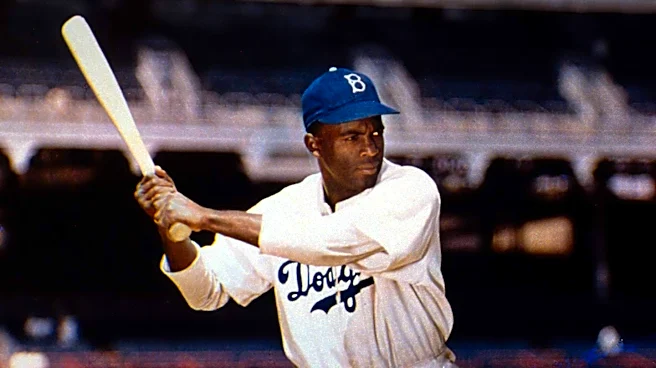









Jackie Robinson's debut with the Brooklyn Dodgers in 1947 marked a pivotal moment in sports history, as he became the first Black player in Major League Baseball since the 1880s. This groundbreaking event not only transformed the landscape of professional baseball but also played a significant role in the broader Civil Rights Movement. Robinson's courage and talent challenged the entrenched racial segregation that had kept Black players in the Negro
leagues for decades.
The Historical Context
Before Jackie Robinson's debut, Major League Baseball had been segregated for over six decades. Black players were relegated to the Negro leagues, unable to compete in the major leagues due to the color line that excluded them. This segregation was a reflection of the broader racial discrimination prevalent in many aspects of American life. Robinson's entry into the major leagues was a direct challenge to this status quo, signaling a shift towards greater racial equality in sports.
Robinson's debut was not just a personal achievement; it was a significant cultural milestone. By breaking the color barrier, Robinson paved the way for other Black athletes to enter professional sports, contributing to the gradual dismantling of racial segregation in America. His success on the field demonstrated that talent and character were not determined by race, challenging the prejudices that had long justified segregation.
Robinson's Impact on Baseball
Jackie Robinson's impact on baseball was profound. His presence in the major leagues forced teams and fans to confront their own biases and reconsider the role of race in sports. Robinson's exceptional performance, including batting .297 and stealing 29 bases in his rookie season, proved that Black players could excel at the highest levels of the sport. His achievements helped to erode the barriers that had kept Black athletes out of major league baseball.
Robinson's influence extended beyond his athletic prowess. He became a symbol of the fight for racial equality, inspiring future generations of athletes and activists. His courage in the face of adversity and his ability to maintain dignity under pressure made him a role model for many. Robinson's legacy is not only one of athletic achievement but also of social change, as he played a crucial role in the broader struggle for civil rights.
Legacy and Recognition
Jackie Robinson's contributions to baseball and society have been widely recognized. He was posthumously awarded the Presidential Medal of Freedom and the Congressional Gold Medal, honors that reflect his impact both on and off the field. Robinson's story has been dramatized in films and celebrated in numerous tributes, ensuring that his legacy continues to inspire.
Robinson's breaking of the color barrier was a turning point in American sports history, one that helped to pave the way for greater inclusivity and diversity in professional athletics. His example challenged the traditional basis of segregation and contributed significantly to the Civil Rights Movement, making him not only a sports icon but also a pivotal figure in American history.