


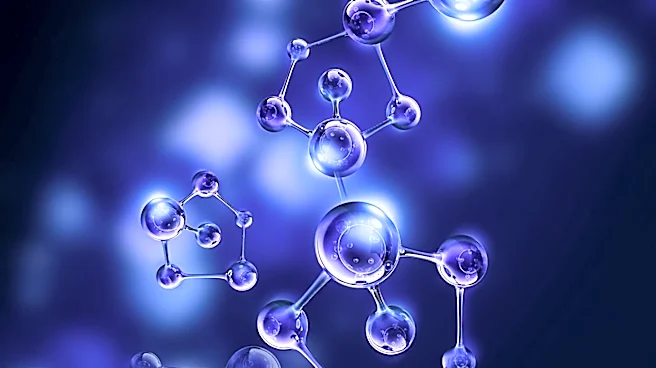
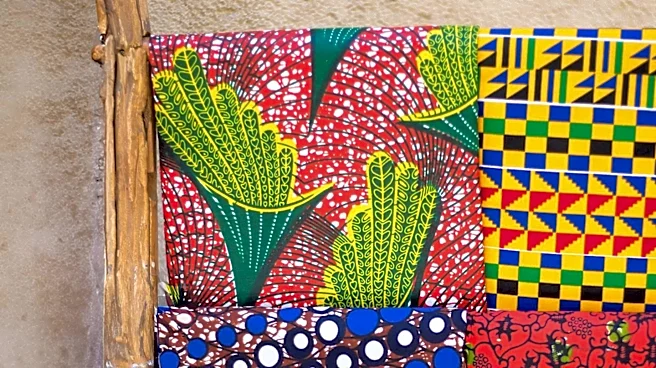
Dyeing is a sophisticated process involving the application of dyes or pigments to textile materials like fibers, yarns, and fabrics. The primary goal is to impart color with a desired level of color fastness, which refers to the resistance of the dyed textile to fading or color change. This intricate process normally takes place in a specialized solution containing dyes and specific chemical materials. The interaction between the dye molecules and the textile fibers is crucial,
with dyes becoming fixed to the fiber through absorption, diffusion, or bonding. Temperature and time are critical controlling factors that influence the effectiveness and permanence of this bond, which can vary in strength depending on the type of dye used.
The Importance of Dye Selection and Molecular Properties
Selecting the appropriate dyes is paramount in the dyeing process, as not every dye is suitable for every type of fiber. Dyes are categorized based on several parameters, including their chemical structure, their affinity for certain fibers, the application method required, and the desired color fastness properties, such as resistance to washing, rubbing, and light. The specific properties of dyes can differ significantly, making careful selection essential. For instance, acrylic fibers are typically dyed with basic dyes, while nylon and protein fibers like wool and silk are colored using acid dyes. Polyester yarn, on the other hand, requires dispersed dyes. Cotton, a versatile fiber, can be dyed with a range of dye types, including vat dyes and modern synthetic reactive and direct dyes.
The fastness of a color, particularly its resistance to washing, is largely influenced by the molecular size of the dyes and their solubility. Dyes with larger molecular sizes generally yield better washing fastness results. This principle is evident in the case of indigo dyes, which are known for their poor wash and rubbing fastness on denim (cotton). This characteristic is often exploited to create "washed-down" effects on fabrics. In contrast, vat or reactive dyes are applied to cotton when excellent washing fastness is desired. Beyond technical performance, another crucial criterion for dye selection involves assessing potential hazards to human health and the environment. Some dyes, especially disperse dyes, have been linked to allergic reactions in certain individuals and can have negative environmental impacts. Consequently, national and international standards and regulations must be adhered to in the selection and application of dyes.
Diverse Methods of Dye Application
Dyeing can be implemented at various stages within the textile manufacturing process, offering flexibility depending on the intended end use, cost considerations, desired appearance, and available resources. Fibers can be dyed before being spun into yarns, or yarns can be dyed before being woven into fabrics. Fabrics themselves, and even finished garments, can also undergo dyeing. Specific terms describe these different methods: "stock dyed" refers to dyeing fibers before yarn production, "yarn dyed" indicates dyeing yarns before fabric creation, and "piece dyed" or "fabric dyed" means dyeing the fabric after it has been woven. Generally, the fastness of fiber- and yarn-dyed materials is considered superior to that of fabrics dyed at later stages.
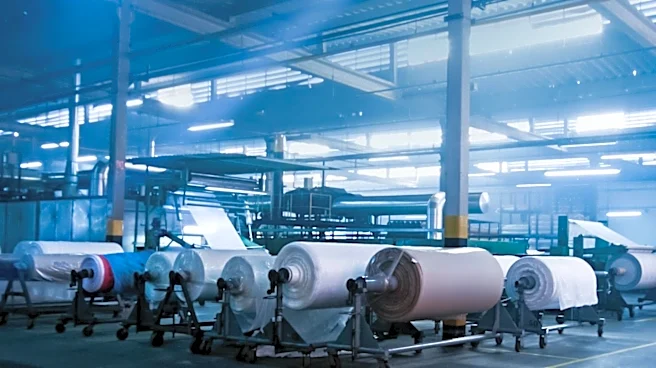
Two primary application methods are the exhaust method and the continuous method. In the exhaust method, the dye is transported to the substrate through the movement of the dye liquor. The dye is adsorbed onto the fiber surface and ideally diffuses throughout the entire fiber. This method typically consumes more water than continuous dyeing. Variations of the exhaust method include liquor circulating systems, where the material remains stationary while the liquor is pumped through it, and material circulating systems, where the material moves through stationary liquor. Jet dyeing and softflow dyeing are examples where both the material and the liquor are in motion. The continuous method, in contrast, involves the substrate passing continuously through different stages, combining processes like color application, fixation, and washing off unfixed dyes. Types of continuous dyeing include pad-steam, pad dry, and thermosol methods. The cold pad batch method is a semi-continuous dyeing process. Furthermore, waterless dyeing, or dry dyeing, represents a newer, more sustainable approach where dyes are applied using carbon dioxide or solutions that require significantly less or no water compared to traditional methods.