





Space Shuttle Discovery's maiden voyage, designated STS-41-D, was a significant milestone in NASA's Space Shuttle program, marking the 12th overall flight. However, this historic mission was not without its dramatic challenges and delays. Originally slated for launch in June 1984, the mission faced a series of technical setbacks and an unprecedented launch abort that tested the resolve of the ground crews and astronauts alike. These early hurdles
ultimately shaped procedures and highlighted the complexities inherent in human spaceflight.
The initial launch attempt for STS-41-D was planned for June 25, 1984. This date, however, proved to be overly optimistic, as a variety of technical problems emerged. These issues were severe enough to necessitate rolling the Space Shuttle back to the Vehicle Assembly Building (VAB). The primary reason for this rollback was the need to replace a faulty Space Shuttle Main Engine (SSME), a critical component for launch. This significant repair effort alone contributed to a delay of over two months from the original schedule.
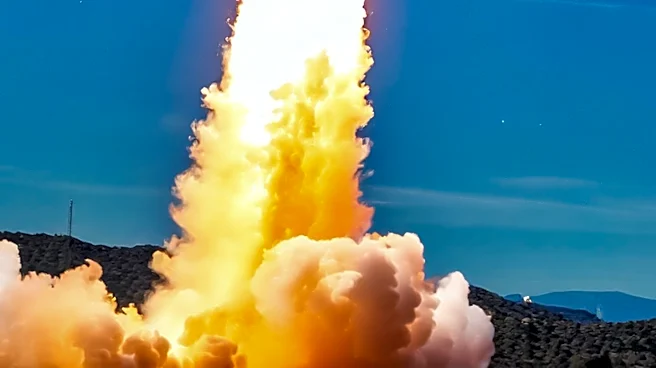
Further complicating matters, the next launch attempt on June 26, 1984, resulted in the Space Shuttle program's first-ever launch abort at T-4 seconds. This was a particularly tense moment, marking the first time since the Gemini 6A mission that a crewed spacecraft had experienced a shutdown of its engines just moments before liftoff. The abort was triggered by the onboard computers of the orbiter Discovery. Confusion arose among flight controllers because the center engine had not started when the abort sequence began, making it difficult to verify its status.
Following the abort, a pad fire erupted approximately ten minutes later. This fire was caused by free hydrogen fuel that had collected around the engine nozzles after the shutdown and an engine anomaly. The fire was invisible to the human eye, posing a significant danger to the crew. Had the astronauts attempted to use the normal emergency escape procedure, which involved crossing the service arm to slidewire escape baskets, they would have unknowingly run directly into the flames. This incident highlighted a critical safety flaw in the existing emergency protocols.
Mission Specialist Steve Hawley's reported comment after the abort, "Gee, I thought we'd be a lot higher at MECO (Main Engine Cut-Off)!", underscored the unexpected nature of the event. The crew's evacuation, which occurred about 20 minutes after the abort, involved being doused with water from the pad deluge system. This system was activated specifically to combat the hydrogen fire. The reluctance of launch controllers to order an immediate evacuation during the STS-41-D abort was later attributed to the fact that the slidewire escape system had never been tested with a human, adding to the uncertainty of the situation.
In response to these events, significant changes were implemented in launch procedures. These included more extensive practice of "safing" the orbiter after aborts at various stages, the mandatory use of the fire suppression system in all pad aborts, and crucially, the testing of the slidewire escape system with a real person. Telemetry data analysis later revealed that the engine malfunction was due to a stuck valve, which prevented the proper flow of liquid oxygen (LOX) into the combustion chamber. Despite these dramatic delays and technical challenges, STS-41-D eventually launched successfully on August 30, 1984, after a final six-minute, fifty-second delay caused by a private aircraft entering restricted airspace. This successful launch, the fourth attempt for Discovery, ultimately paved the way for a productive mission and the orbiter's long career in space.