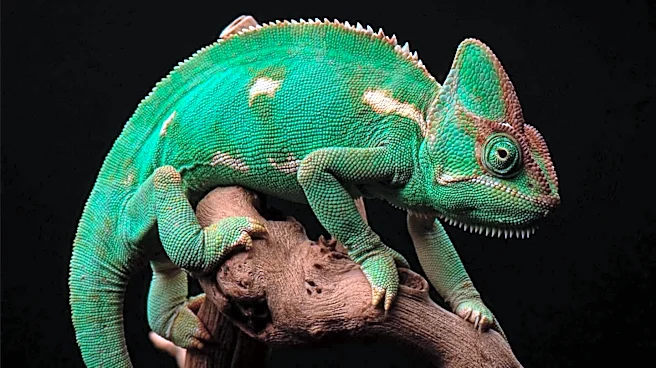

Chameleons have become a popular choice for reptile enthusiasts, often imported from African nations such as Madagascar, Tanzania, and Togo. These unique creatures, known for their distinctive features,
require a significant level of specialized attention and care, making them suitable for intermediate or advanced reptile keepers. Despite their demanding needs, their popularity has led to a thriving pet trade, with the United States playing a central role in both import and, more recently, export.
Common Species in the Pet Trade
Several chameleon species are frequently encountered in the pet trade. Among the most common are the Senegal chameleon (Chamaeleo senegalensis), the Yemen or veiled chameleon (Chamaeleo calyptratus), the panther chameleon (Furcifer pardalis), and Jackson's chameleon (Trioceros jacksonii). Other species, though seen less regularly in captivity, include the carpet chameleon (Furcifer lateralis), Meller's chameleon (Trioceros melleri), Parson's chameleon (Calumma parsonii), and various pygmy and leaf-tailed chameleons from genera like Brookesia, Rhampholeon, or Rieppeleon. Each of these species, while sharing general chameleon characteristics, may have specific nuances in their care requirements.
The veiled chameleon, for instance, is primarily insectivorous but will consume leaves if other water sources are scarce. They can eat a substantial number of crickets, sometimes as many as 15 to 50 large crickets daily. Jackson's chameleons, on the other hand, have a broader diet, consuming a variety of small animals including ants, butterflies, caterpillars, snails, worms, lizards, geckos, and even other chameleons. They also incorporate plant material like leaves, tender shoots, and berries into their diet, and can be maintained on a mixed diet that includes kale, dandelion leaves, lettuce, bananas, tomatoes, apples, crickets, and waxworms.
The Dynamics of the Chameleon Pet Trade
The United States has historically been a major player in the chameleon pet trade, serving as the primary importer since the early 1980s and accounting for 69% of African reptile exports. However, this trend has seen significant changes due to stricter regulations aimed at protecting wild populations and concerns over chameleons becoming invasive species in areas like Florida. Despite these declines in wild-caught imports, the popularity of chameleons as pets has endured.
This sustained demand has been met by a substantial increase in captive breeding within the U.S. The domestic breeding industry has grown to the point where it can fulfill the country's demand for chameleons and has even transformed the U.S. into a major exporter. The appeal of these reptiles is so strong that, even in Florida, where six invasive chameleon species exist due to the pet trade, hobbyists actively seek out chameleons for personal keeping or for breeding and selling, with some specimens fetching prices up to a thousand dollars.
Specialized Care and Sensitivity
Chameleons are recognized as some of the most sensitive reptiles to own, necessitating specialized attention and care. This includes understanding their dietary needs, which vary by species, and providing an appropriate environment. For example, the veiled chameleon's diet can be supplemented with plant material for hydration, while Jackson's chameleons require a diverse diet of both insects and plant matter. The general sensitivity of these animals underscores the importance of thorough research and commitment from potential owners to ensure their well-being in captivity.