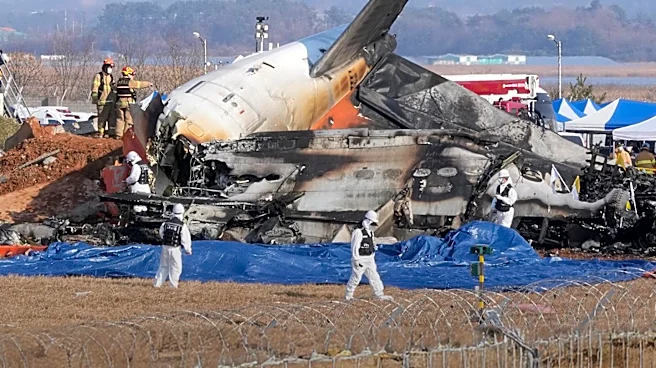





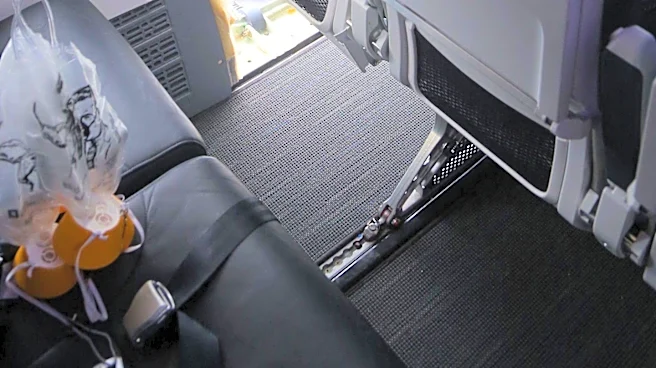


The crash of United Airlines Flight 232 on July 19, 1989, was a pivotal moment in aviation history. While the immediate focus was on the heroic efforts of the crew and the tragic loss of life, the incident also had a lasting impact on aviation safety and procedures. This article explores the aftermath and legacy of the crash, highlighting the changes it prompted in the industry.
Immediate Reactions and Investigations
In the wake of the crash, there was a significant focus on understanding
what went wrong. The National Transportation Safety Board (NTSB) launched an investigation to determine the cause of the engine failure and the subsequent loss of flight controls. The investigation revealed that the fan blade inside the number 2 engine had shattered due to a faulty titanium alloy.
This finding raised concerns about the materials used in aircraft engines and prompted a review of maintenance procedures. The aviation industry recognized the need for more rigorous inspections and better quality control to prevent similar failures in the future. The incident also highlighted the importance of having backup systems in place to manage hydraulic failures.
Changes in Training and Procedures
One of the most significant legacies of Flight 232 was the emphasis on crew resource management (CRM). The crew's ability to work together and communicate effectively was crucial in managing the emergency. As a result, CRM training became a standard part of pilot education, focusing on teamwork, communication, and decision-making under pressure.
The crash also led to changes in emergency procedures. Airlines and regulatory bodies reviewed their protocols to ensure that crews were better prepared to handle situations involving the loss of flight controls. The incident underscored the importance of having well-trained crews who could think creatively and adapt to unexpected challenges.
Long-term Impact on Aviation Safety
The legacy of United Airlines Flight 232 extends beyond immediate changes in procedures and training. The incident served as a catalyst for broader improvements in aviation safety. It prompted a reevaluation of aircraft design, particularly concerning redundancy and the ability to maintain control in the event of system failures.
The crash also reinforced the importance of learning from past incidents to prevent future tragedies. The aviation industry has since made significant strides in safety, with advancements in technology and a stronger focus on risk management. The lessons learned from Flight 232 continue to influence safety standards and practices today.
In conclusion, the crash of United Airlines Flight 232 was a turning point for aviation safety. While it was a tragic event, the changes it inspired have contributed to making air travel safer for everyone. The legacy of the incident is a testament to the industry's commitment to continuous improvement and the importance of learning from past experiences.