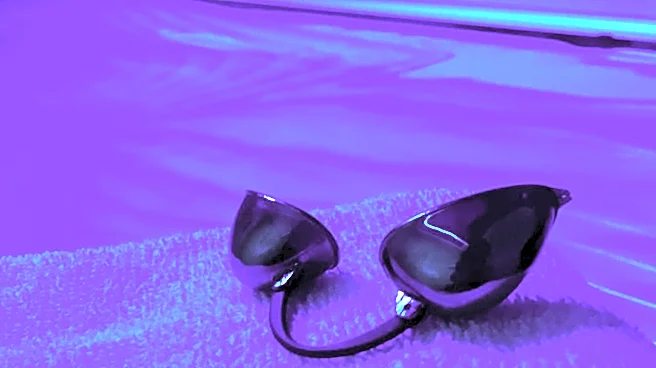






UVB lamps have become a staple in dermatology clinics worldwide, offering a unique approach to treating skin conditions. These lamps emit ultraviolet light within a specific wavelength range, providing therapeutic benefits for patients suffering from ailments like psoriasis and eczema. While UVB lamps are not a cure-all, they play a significant role in managing symptoms and improving the quality of life for many individuals.
Treating Skin Diseases
UVB lamps are primarily
used as phototherapy tools in dermatology. They are effective in treating a variety of skin diseases, including psoriasis, vitiligo, lichen planus, and atopic dermatitis, commonly known as eczema. The light emitted by these lamps falls within the 290-320 nanometer range, which is particularly sensitive to the human body. This sensitivity allows the light to modulate immune responses, reducing inflammation and alleviating symptoms associated with these conditions.
Thousands of dermatology clinics around the globe utilize UVB lamps to treat skin ailments. Patients with conditions like psoriasis often have their own UVB lamps at home, allowing them to manage their symptoms more conveniently. Small lamps are used for localized treatment, while full-body cabins are available in clinics and hospitals for comprehensive therapy. However, it is crucial to regulate exposure time to prevent skin burns, highlighting the importance of professional guidance in using these lamps.
Increasing Vitamin D3
Beyond treating skin diseases, UVB lamps play a role in increasing vitamin D3 levels in the body. When the skin is exposed to UVB light, particularly at a wavelength of 293 nanometers, it stimulates the production of vitamin D3. This vitamin is essential for bone health and overall well-being, making UVB lamps a valuable tool in addressing vitamin D deficiency.
In regions with limited sunlight, such as Northern European countries during winter, UVB light therapy is sometimes administered to pregnant women to ensure adequate vitamin D3 levels for their babies. This application underscores the versatility of UVB lamps in promoting health beyond dermatological concerns.
Types of UVB Lamps
UVB lamps come in various types, each with specific characteristics suited to different therapeutic needs. LED lamps are particularly effective, achieving a peak wavelength of 293 nanometers, which is ideal for both vitamin D3 production and treating skin conditions. These lamps require minimal doses, reducing the risk of skin redness and allowing for visible effects within the same day.
Fluorescent UVB lamps are available in broadband and narrowband varieties. Broadband lamps emit light in the 290-320 nanometer range, while narrowband lamps focus on a 311 nanometer wavelength. Although less efficient than LEDs, these lamps are still useful for specific treatments, offering flexibility in addressing diverse patient needs.