





Cambodia, a Southeast Asian nation, operates under a unique political system that combines elements of monarchy and democracy. Known as a constitutional monarchy, this system is defined by a parliamentary form of government where the king serves as the head of state, while the prime minister acts as the head of government. This article delves into the intricacies of Cambodia's political structure, highlighting its constitutional framework, the role
of the monarchy, and the practical realities of governance in the country.
Constitutional Framework
Cambodia's political system is grounded in its constitution, which was promulgated in September 1993. This constitution was established by the Constituent Assembly following the 1993 general election, which was conducted under the auspices of the United Nations Transitional Authority in Cambodia (UNTAC). The constitution incorporates the basic principles and measures mandated under the Paris Peace Agreements, positioning it as the supreme law of the land.
The constitution declares Cambodia as a sovereign, independent, and neutral state, enshrining a liberal, multi-party democracy with fair and periodic elections. It also guarantees respect for human rights, setting a legal framework intended to support democratic governance. However, the practical implementation of these principles has faced challenges, as the political landscape in Cambodia has evolved over the years.
The Role of the Monarchy
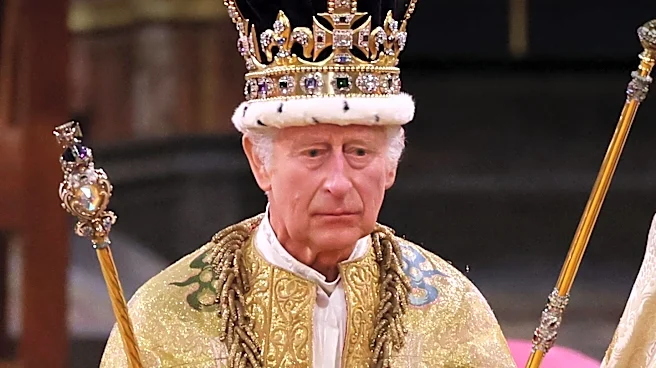
In Cambodia's constitutional monarchy, the king holds a ceremonial position as the head of state. The monarchy is a symbol of national unity and continuity, with the king's role largely confined to ceremonial duties. Despite the limited political power, the monarchy remains an integral part of Cambodia's national identity and cultural heritage.
The king's responsibilities include presiding over official ceremonies, endorsing laws passed by the parliament, and representing Cambodia in diplomatic matters. While the king's influence on day-to-day governance is minimal, the monarchy's presence provides a sense of stability and tradition in the country's political system.
Practical Realities of Governance
In practice, Cambodia's political system has been characterized by centralized power, with the Cambodian People's Party (CPP) holding significant influence. Under the leadership of Hun Manet, the CPP has maintained a strong grip on power, often at the expense of democratic principles. Civil society groups, independent media, and opposition parties face repression, and elections are not always free and fair.
The judicial branch, although constitutionally independent, is often seen as a tool of the executive branch, used to silence dissent and maintain control. This centralization of power has led to an authoritarian state, where the ideals of a constitutional monarchy and democracy are not fully realized. Despite these challenges, Cambodia continues to navigate its complex political landscape, striving for a balance between tradition and modern governance.