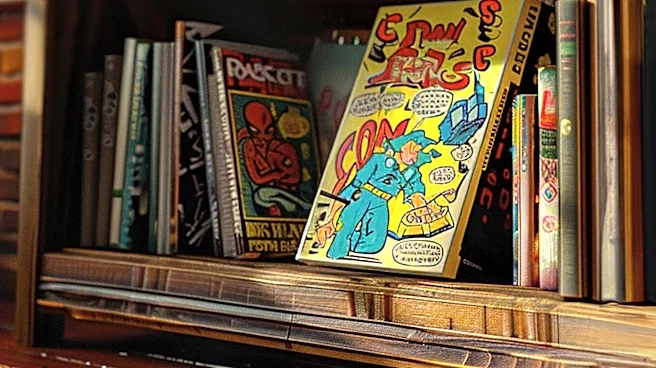






Trade paperbacks, often shortened to TPBs, represent a significant format in the American comic book industry. These collections gather stories originally published in individual comic books and reprint them in a book format. Typically, a trade paperback will present a complete miniseries, a story arc from a single title, or a series of stories linked by a common theme. While they can reproduce stories at their original comic book size, they may also
appear in a smaller digest format or even a larger hardcover. The term "trade paperback market" broadly refers to the market for any collected edition, regardless of its cover type. This format has evolved considerably since its early days, becoming a cornerstone of how comic book narratives are consumed and preserved.
Early Beginnings and The MAD Reader
The concept of reprinting comic book material in a collected, book-like format began to take shape in the mid-20th century. The first mass-market paperback reprints of American comic book material emerged in 1954 with the publication of "The MAD Reader" by Ballantine Books. This marked a pivotal moment, as it introduced the idea of collecting comic content for a broader audience beyond the traditional comic book periodical. The success of these early reprint collections of *Mad* magazine in the late 1950s and early 1960s played a crucial role in increasing the publication's popularity, demonstrating a clear demand for such compiled works.
During the 1960s and 1970s, major comic publishers like Marvel Comics began to explore the trade paperback format more systematically. Marvel, initially through Lancer Books and later via its Fireside Books imprint, released trade paperbacks that grouped stories around specific themes. These collections often focused on particular battles, villains, or individual characters, offering readers a curated experience of their favorite comic elements. Following Marvel's success with its Fireside Books, DC Comics also entered this burgeoning market, publishing similar themed collections through Warner Books. A notable DC entry was "The Great Superman Comic Book Collection" in 1981, which is considered the first DC comic book collection in the modern tradition. However, these early collections were often united more by character or series than by a cohesive story or theme, suggesting their existence as books was somewhat of an afterthought.
The 1980s: A Decade of Growth and Innovation
The 1980s proved to be a transformative decade for trade paperbacks and the broader graphic novel market. This period saw significant growth that enabled smaller publishers to thrive. A key moment arrived in 1981 when Warp Graphics' *Elfquest* series made its way into bookstores as full-color trade paperback collections. This was a groundbreaking development, as *Elfquest* became the first graphic novel series to successfully push beyond the traditional comic book marketplace and establish a presence in general bookstores. This expansion demonstrated a growing reader interest in bound comic book collections, regardless of how they were categorized.
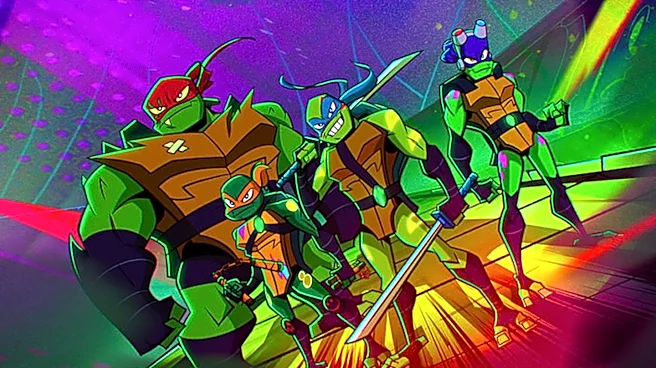
The success of independent series like Mirage Studios' *Teenage Mutant Ninja Turtles* and Dave Sim's *Cerebus* further underscored this trend. These titles showed publishers that readers were indeed interested in collected comic book editions, whether they were referred to as "phone books," "comic book novels," "albums," or "graphic novels." This era also saw a shift in how major publishers approached trade paperbacks. In 1984, Marvel began to move away from general collections towards trade paperbacks that featured notable recent story arcs, such as "The Dark Phoenix Saga" and "The Power of Iron Man." Similarly, trade paperbacks remained a minor focus for DC until the 1986 collection of *The Dark Knight Returns*. This particular trade paperback was a significant game-changer, influencing how future comic book rights and print runs were considered. Along with *Watchmen* and Art Spiegelman's *Maus* (published as a collection in 1986), *The Dark Knight Returns* helped establish a strong foothold for "graphic novels" within the broader book trade.
The 1990s and Beyond: Mainstream Acceptance
The 1990s marked a boom in the popularity of trade paperbacks. Comic book publishers increasingly began releasing trade paperbacks of collected story arcs almost immediately after their original periodical publication. This strategy proved highly effective, as it allowed new readers to easily catch up on an entire series by purchasing these collected editions. Initially, only the most popular stories were collected, but over time, more and more comic book narratives, both recent and older, found their way into trade paperback format. Some collections even appeared less than two months after the newest individual issue was sold.
By 2015, the practice had become so widespread that nearly every monthly comic was eventually collected into a trade paperback or hardcover edition, bundling several issues into a single package. This shift reflects a fundamental change in the comic book industry, where collected editions have become a primary way for readers to engage with ongoing series and for publishers to reach a wider audience through bookstores. The growth of graphic novels as a preferred format continued into 2019, with sales in the book channel surpassing those in comic stores for the first time in the medium's history, indicating a significant and ongoing evolution in how comic stories are distributed and consumed.