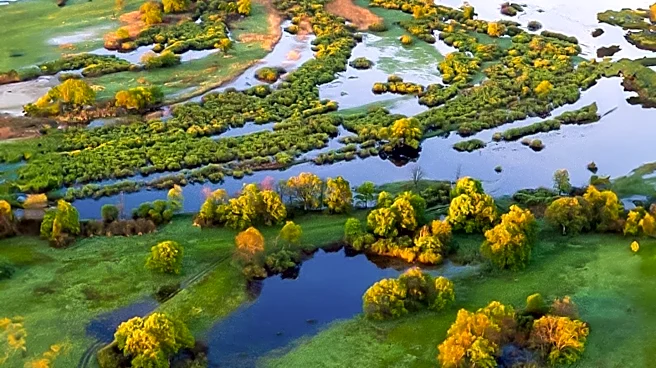

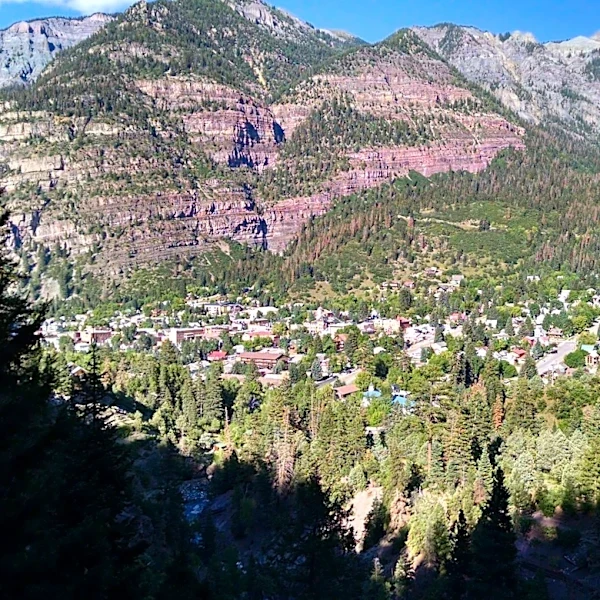








Mississippi, a state located in the Southeastern United States, is known for its diverse geography and natural features. From its rolling hills and fertile plains to its rivers and coastal areas, Mississippi's landscape is both varied and rich in natural beauty. This article explores the geography, climate, and natural features of Mississippi, highlighting the state's unique environmental characteristics.
Geographic Regions and Landforms
Mississippi is bordered by Tennessee to the
north, Alabama to the east, the Gulf of Mexico to the south, and Louisiana and Arkansas to the west. The state is divided into several geographic regions, each with its own distinct landforms and characteristics.
The Mississippi Delta, located in the northwest part of the state, is a flat, fertile region known for its rich soil and agricultural productivity. This area, formed by the alluvial deposits of the Mississippi River, is a hub for cotton and soybean farming. The Delta's landscape is characterized by expansive fields, levees, and bayous.
In contrast, the northeastern part of Mississippi features the Appalachian foothills, with rolling hills and higher elevations. The Pine Belt, located in the southern part of the state, is dominated by pine forests and is known for its timber industry. The Gulf Coast region, with its sandy beaches and coastal marshes, offers a unique blend of natural beauty and recreational opportunities.
Climate and Weather Patterns
Mississippi has a humid subtropical climate, characterized by hot, humid summers and mild winters. The state's climate is influenced by its proximity to the Gulf of Mexico, which moderates temperatures and contributes to high humidity levels.
Summers in Mississippi are typically long and hot, with average temperatures in the 80s and 90s Fahrenheit. Winters are mild, with average temperatures in the 40s and 50s Fahrenheit. The state experiences a significant amount of rainfall, with precipitation levels increasing from north to south. The Gulf Coast region receives the most rainfall, contributing to its lush vegetation and diverse ecosystems.
Mississippi is also prone to severe weather, including thunderstorms, tornadoes, and hurricanes. The late summer and fall months are the peak hurricane season, with storms often moving inland from the Gulf of Mexico. Notable hurricanes, such as Hurricane Camille in 1969 and Hurricane Katrina in 2005, have caused significant damage and impacted the state's communities.
Natural Features and Biodiversity
Mississippi's diverse geography supports a wide range of ecosystems and biodiversity. The state's forests, wetlands, and rivers provide habitats for numerous plant and animal species, contributing to its rich natural heritage.
The state's forests cover over half of its land area, with pine and hardwood species being the most common. These forests support a variety of wildlife, including deer, turkey, and numerous bird species. The Mississippi River and its tributaries are home to diverse aquatic life, including fish, mussels, and amphibians.
Mississippi's coastal areas, with their sandy beaches and marshes, provide important habitats for migratory birds and marine life. The state's barrier islands, such as Ship Island and Horn Island, offer unique ecosystems and recreational opportunities for visitors.
Efforts to preserve and protect Mississippi's natural features are evident in the state's numerous parks, wildlife refuges, and conservation areas. These protected areas offer opportunities for outdoor recreation, education, and conservation, ensuring that Mississippi's natural beauty and biodiversity are preserved for future generations.
Mississippi's geography and natural features are a testament to the state's environmental diversity and beauty. From its fertile plains and rolling hills to its coastal areas and forests, Mississippi offers a rich tapestry of landscapes and ecosystems. As the state continues to balance development and conservation, its natural heritage remains a vital part of its identity and appeal.