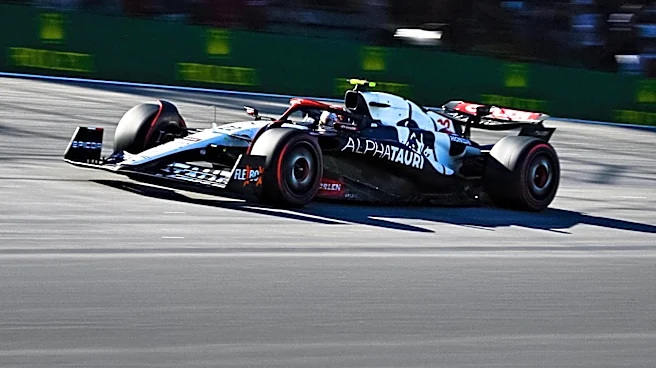






The Macau Grand Prix stands as a significant annual motorsport event, deeply rooted in history since its inception in 1954. Held on the challenging Guia Circuit in Macau, this event has evolved over decades to become a crucial proving ground for aspiring racers. It is widely regarded by drivers as a vital stepping stone to higher echelons of motor racing, most notably Formula One. The Grand Prix's enduring legacy is built upon its unique combination
of diverse racing categories and its reputation for identifying future stars of the sport, making it Macau's most prestigious international sporting event.
Origins and Evolution of a Motorsport Icon
The Macau Grand Prix began its storied journey in 1954, establishing itself as an annual fixture on the global motorsport calendar. From its early days, the event has consistently featured a variety of racing disciplines, including Formula 3, touring cars, GT3, and motorcycle races. This multi-category approach has been a hallmark of the Grand Prix, distinguishing it as the only street circuit race globally that hosts competitions for both cars and motorcycles. This unique format contributes to its appeal and the comprehensive challenge it presents to competitors.
Over the years, the event has adapted to changes in motorsport, reflecting the evolving landscape of racing. For instance, the touring car races in Macau served as the final season station for the World Touring Car Championship from 2005 to 2014. After a brief hiatus in 2015 and 2016, the touring car event returned in 2017, though no longer as the season finale. From 2018, the series transitioned to the World Touring Car Cup, further illustrating the Grand Prix's ability to integrate with major international racing series.
Navigating Challenges and Embracing New Eras
The Macau Grand Prix has faced and overcome significant challenges throughout its history, particularly during the COVID-19 pandemic. From 2020 to 2022, the event experienced disruptions due to travel restrictions, leading to the cancellation of international participation and, in 2020, the absence of a Formula 3 race for the first time in 37 years. During this period, the Grand Prix adapted by hosting national races primarily with drivers from East Asian countries and featuring the Chinese Formula 4 Championship.
A pivotal shift occurred in 2024 with the replacement of the FIA F3 World Cup by the FIA FR World Cup, marking the introduction of Formula Regional cars. This change signifies a new era for the Grand Prix, with competitors utilizing Tatuus F3 T-318 type Formula Regional vehicles. The 2024 edition, the 71st running, was the first for these cars, and the 2025 and 2026 editions are also slated to feature Formula Regional cars. This evolution underscores the event's commitment to remaining relevant and challenging within the junior single-seater landscape, continuing its role as a crucial stepping stone for drivers aiming for top-tier motorsport careers like Formula One.