








Veterinary dentistry represents a crucial and specialized branch within veterinary medicine, dedicated to the oral health of animals. This field extends beyond simple tooth cleaning, encompassing the comprehensive diagnosis, treatment, and prevention of a wide array of oral diseases and conditions. Recognized as one of 20 veterinary specialties by the American Veterinary Medical Association in the United States, veterinary dentistry plays a vital
role in the overall well-being of animal companions, addressing issues that can significantly impact their quality of life.
Practitioners in this specialty perform a variety of advanced procedures, from intricate endodontics to oral radiographs and both cosmetic and medically necessary surgeries. Their expertise is essential in managing complex conditions such as jaw fractures, various forms of malocclusions, oral cancers, and periodontal disease. Furthermore, veterinary dentists are equipped to handle unique animal-specific conditions, including feline odontoclastic resorptive lesions, which are a common and painful problem in cats.
Addressing Common Oral Diseases in Animals
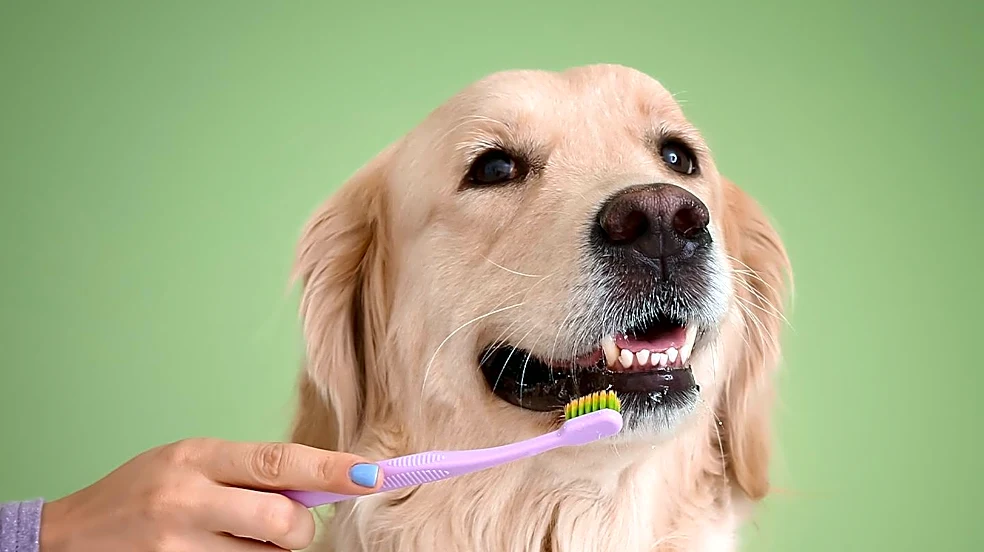
One of the primary focuses of veterinary dentistry is the prevention and treatment of prevalent oral diseases. Periodontal disease, for instance, is a widespread issue that affects many animals. This condition involves inflammation and infection of the tissues supporting the teeth, and if left untreated, it can lead to significant pain, tooth loss, and even systemic health problems. Veterinary dentists employ various strategies to combat periodontal disease, including professional cleanings, advanced surgical interventions, and client education on home care.
Gingivitis, another common oral ailment, is characterized by inflammation of the gums. While often a precursor to more severe periodontal disease, gingivitis can be reversible with proper dental care. Veterinary dentists diagnose these conditions through thorough oral examinations, often utilizing specialized tools and techniques to assess the extent of the disease. Early detection and intervention are key to managing these conditions effectively and preventing their progression.
Specialized Care and Unique Challenges
Beyond common diseases, veterinary dentistry also addresses a range of oral abnormalities, anomalies, and defects. Malocclusions, which are misalignments of the teeth or jaws, can cause significant discomfort and difficulty eating for animals. These can range from Class I malocclusions, where the jaw length is normal but teeth are misaligned, to more severe Class II and Class III malocclusions involving discrepancies in jaw length, such as an overbite or underbite. Veterinary dentists can correct these issues through orthodontic procedures or surgical interventions.
Oral lesions and masses, including both malignant and nonmalignant tumors, also fall under the purview of veterinary dentistry. The diagnosis and treatment of these growths require specialized knowledge and techniques, often involving biopsies, surgical removal, and follow-up care. Additionally, developmental conditions affecting the oral cavity are managed by these specialists, ensuring that young animals receive the necessary interventions for proper oral development. The field also recognizes specialized dental workers, such as equine dental technicians, who perform routine dental work on horses, highlighting the diverse needs across different animal species.