

In the competitive world of motorsports, the fastest lap represents the pinnacle of a driver's or rider's performance over a single circuit during a race. This achievement is not merely a display of raw speed but often a confluence of strategic timing, optimal track conditions, and advanced vehicle engineering. While the concept of a fastest lap is universal across racing disciplines, the way it is recognized, rewarded, and even influenced by race dynamics
varies significantly. Understanding these nuances provides a deeper appreciation for the intricate balance of factors that contribute to setting the quickest time.
The Dynamics of a Fastest Lap in Race Conditions
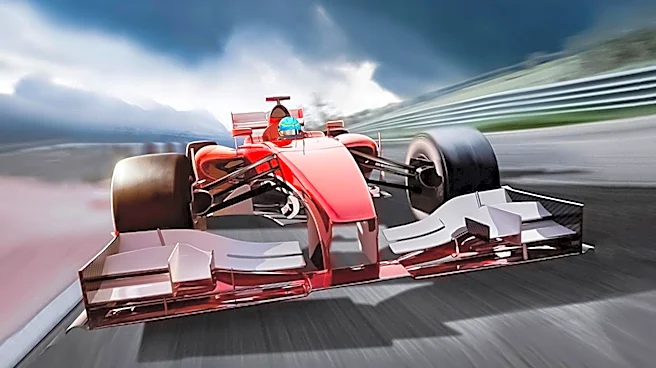
Achieving a fastest lap is frequently a late-race phenomenon, particularly in Formula One. As a race progresses, several factors contribute to the possibility of quicker lap times. One significant element is the track itself becoming "rubbered in." This refers to the accumulation of tire rubber on the racing line, which can increase grip and allow drivers to carry more speed through corners. Simultaneously, as fuel is consumed throughout the race, the vehicle's weight decreases. A lighter car is more agile and can accelerate and brake more effectively, further enabling faster lap times in the closing stages.
Interestingly, in races like the Indianapolis 500, the fastest lap is commonly set by a driver who is not leading the race at that moment. This can often be attributed to drafting, where a car follows closely behind another to reduce aerodynamic drag, allowing it to achieve higher speeds. The Indianapolis 500 has only seen the fastest lap achieved by the race leader on the final lap once, in 1986, and it has never occurred on the first lap. This highlights that the fastest lap is not always a direct indicator of who is dominating the race, but rather a snapshot of optimal performance under specific conditions.
Awarding Speed: Points and Prestige Across Motorsports
The recognition and reward for setting a fastest lap differ considerably across various racing series. In Formula One, the system for awarding championship points for a fastest lap has evolved over time. Points were given between 1950-1959 and then reintroduced from 2019-2024, with the condition that the driver must finish in the top 10. However, this bonus point was discontinued for the 2025 season. Despite this, the DHL Fastest Lap Award has consistently recognized the driver with the most fastest laps in a season since 2007, emphasizing consistent speed and performance.
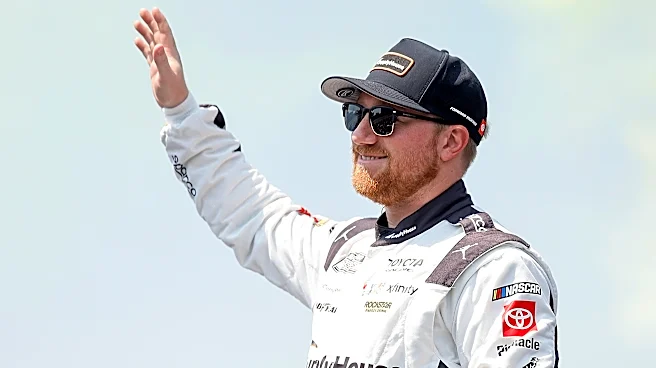
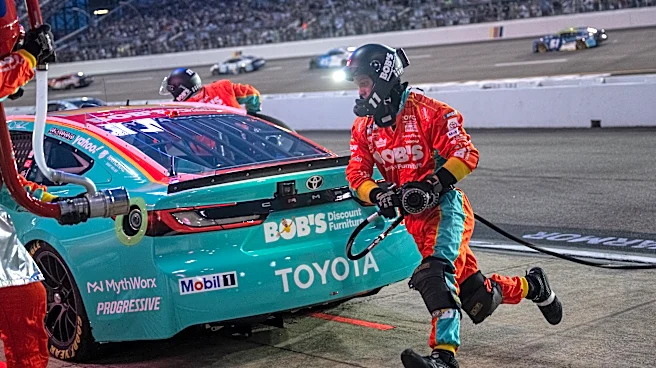
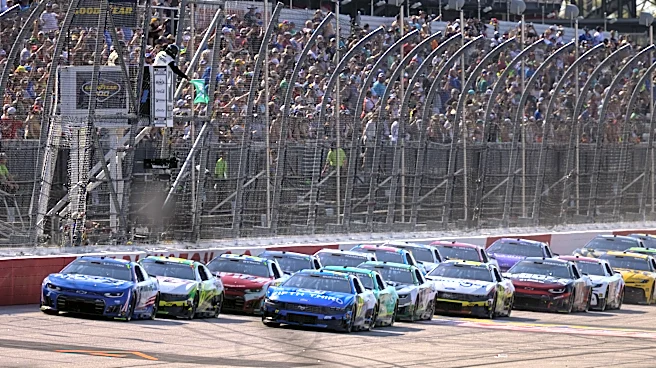
NASCAR, on the other hand, has a more direct approach. Starting in 2025, NASCAR began awarding the Xfinity Fastest Lap Award and a bonus point to the driver who sets the fastest lap in a given race, applicable across all three national series. In Grand Prix motorcycle racing, while fastest laps are meticulously tracked and celebrated, no championship point is awarded for them. The Indianapolis 500 also offers a cash prize for the fastest lap, but it is generally considered a peripheral award without championship bonus points. These varied approaches underscore the different philosophies within motorsports regarding how to incentivize and acknowledge the ultimate display of single-lap speed.