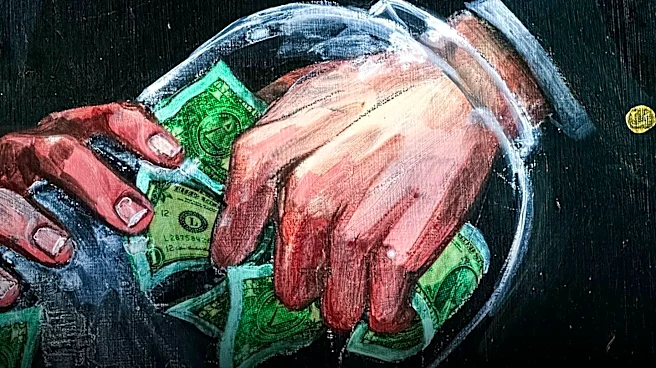










Bernie Madoff's name is synonymous with financial fraud, as he orchestrated the largest Ponzi scheme in history, defrauding investors of billions of dollars. This article delves into the mechanics of Madoff's scheme, exploring how he managed to deceive thousands of investors and evade detection for decades.
The Structure of the Scheme
At the heart of Madoff's fraudulent operation was his investment advisory business, which he kept separate from his legitimate brokerage firm.
Madoff's scheme involved using new investors' funds to pay returns to earlier investors, creating the illusion of a profitable and legitimate business. This classic Ponzi scheme relied on a continuous influx of new money to sustain itself.
Madoff's firm had two basic units: a stock brokerage and an asset management business. While the stock brokerage part of the business had a public profile, Madoff kept his asset management business low-profile and exclusive. This secrecy, combined with his reputation as a financial wizard, allowed him to attract numerous investors, including individuals, charities, and institutions.
The Illusion of Success
Madoff's scheme was built on the promise of consistent and impressive returns, which he claimed were achieved through a "split-strike conversion" strategy. This strategy supposedly involved buying blue-chip stocks and taking options contracts on them. However, in reality, Madoff was not making any legitimate investments with his clients' money. Instead, he deposited the money into a bank account and used it to pay returns to earlier investors.
To maintain the illusion of success, Madoff and his team created false trading reports based on the returns he ordered for each customer. They used a computer program specially designed to backdate trades and manipulate account statements. This allowed Madoff to report only a few losing months over several years, an implausible scenario that should have raised red flags.
The Collapse and Aftermath
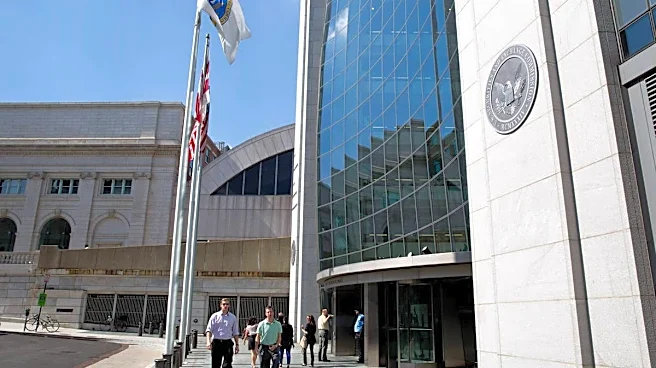
The collapse of Madoff's scheme began in December 2008, when his sons, Mark and Andrew, reported to authorities that their father had confessed to them that his investment advisory business was a massive Ponzi scheme. Madoff was arrested the following day and charged with securities fraud. The U.S. Securities and Exchange Commission (SEC) had previously conducted multiple investigations into Madoff's business practices but failed to uncover the fraud.
In March 2009, Madoff pleaded guilty to 11 federal felonies, admitting to defrauding thousands of investors of billions of dollars. He was sentenced to 150 years in prison, the maximum sentence allowed. The collapse of Madoff's scheme had a devastating impact on his investors, many of whom lost their life savings. The Securities Investor Protection Corporation (SIPC) trustee estimated actual direct losses to investors at $18 billion, of which $14.829 billion has been recovered and returned.
Madoff's fraudulent activities not only destroyed his reputation but also had a profound impact on his family. His son Mark committed suicide in 2010, exactly two years after Madoff's arrest, and his other son Andrew died of lymphoma in 2014. Madoff himself died in prison in 2021, leaving behind a legacy of deceit and financial ruin.
The story of Bernie Madoff serves as a cautionary tale about the dangers of unchecked greed and the importance of regulatory oversight in the financial industry. His rise and fall highlight the need for transparency and accountability to prevent similar frauds from occurring in the future.