



The Deepwater Horizon oil spill, which began on April 20, 2010, marked a catastrophic event in marine history, leading to the largest marine oil spill ever recorded. The disaster unfolded rapidly, starting with a blowout on the BP-operated Macondo Prospect. This initial incident claimed the lives of 11 platform workers and injured 17 others, setting in motion a series of events that would have profound environmental, economic, and legal consequences
across the Gulf of Mexico.
The Initial Explosion and Immediate Aftermath
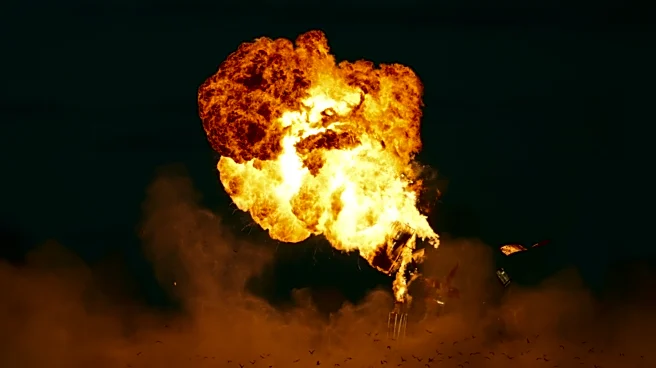
At approximately 7:45 pm CDT on April 20, 2010, high-pressure methane gas from the well expanded into the marine riser and rose to the drilling rig, where it ignited and exploded. This explosion engulfed the platform, leading to the tragic loss of life. Despite a three-day search operation by the U.S. Coast Guard (USCG), the 11 missing workers were never found and are presumed to have died in the explosion or its aftermath. Ninety-four crew members were rescued by lifeboat or helicopter, with 17 receiving treatment for injuries. The Deepwater Horizon rig ultimately sank on the morning of April 22, 2010.
Following the sinking, the focus shifted to containing the massive oil leak. Initial estimates indicated that 53,000 barrels of oil per day were escaping from the well. The Macondo well itself was located roughly 41 miles off the Louisiana coast. BP, as the operator and principal developer, held a 65% share in the Macondo Prospect, with Anadarko Petroleum owning 25% and MOEX Offshore 2007, a unit of Mitsui, holding 10%.
Containment Efforts and Challenges
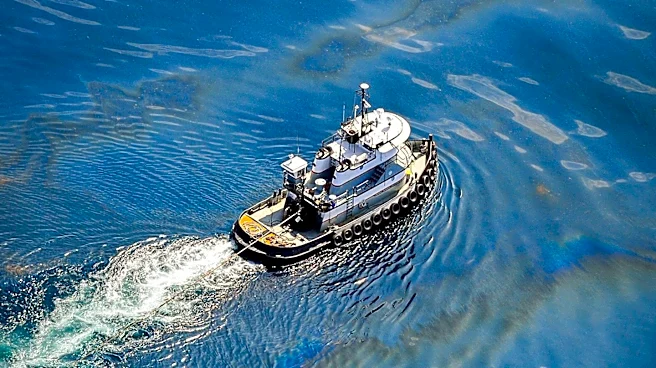
In the immediate aftermath, a massive response was launched to protect beaches, wetlands, and estuaries from the spreading oil. This involved the deployment of skimmer ships, floating booms, and controlled burns. Additionally, 1,840,000 US gallons of oil dispersant were used in an attempt to break down the oil. The three primary strategies for addressing the spill were containment, dispersal, and removal. By the summer of 2010, approximately 47,000 people and 7,000 vessels were involved in the response efforts.
On May 2, 2010, Transocean's Development Driller III began drilling a first relief well, followed by GSF Development Driller II starting a second relief well on May 16, 2010. BP also attempted to insert a riser insertion tube into the pipe, diverting the flow into the insertion tube, and collected 924,000 US gallons of oil before the tube was removed. On June 3, 2010, the damaged drilling riser was removed, and a cap was placed over the pipe. A second containment system was connected directly to the blowout preventer on June 16, carrying oil and gas to service vessels for consumption in a clean-burning system. However, U.S. government estimates suggested these initial efforts were capturing less than half of the leaking oil.
The Capping of the Well and Ongoing Cleanup
On July 10, the containment cap was removed to be replaced with a better-fitting cap, referred to as "Top Hat Number 10." Mud and cement were subsequently pumped into the well to reduce pressure, though this attempt was unsuccessful. A final device, a chamber with a larger diameter than the flowing pipe, was created to attach to the top of the blowout preventer with a manual valve. This device was secured on July 15, and the valves were closed, completing the temporary measures to cap the well. On September 3, 2010, the 300-ton failed blowout preventer was removed and replaced. The relief well reached its destination on September 16, and cement pumping began to seal the well. By September 19, 2010, National Incident Commander Thad Allen declared the well "effectively dead," stating it posed no further threat to the Gulf.
Despite the well being capped, the cleanup of affected shorelines became the primary task. This involved sifting sand, removing tar balls, and manually or mechanically digging out tar mats on beaches. For marshes, techniques such as vacuuming, pumping, low-pressure flushing, vegetation cutting, and bioremediation were employed. By April 2016, BP announced that cleanup along the coast was substantially complete, though the United States Coast Guard continued work using physical barriers and skimmer boats. The final estimate of crude oil spilled was approximately 4.9 million barrels, with about 4.1 million barrels entering the Gulf.