
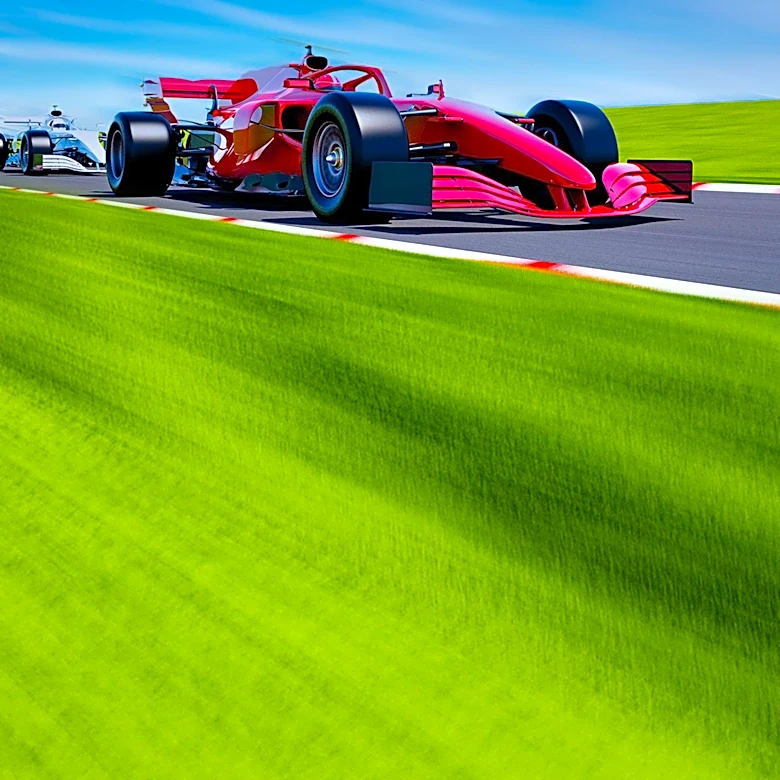
The 1978 Formula One season, the 32nd in the sport's history, was a captivating sixteen-race series that commenced on January 15 and concluded on October 8. It was a year defined by the dominant performance of Mario Andretti and the Lotus-Ford team, but also by significant shifts in the competitive landscape and, tragically, by profound loss. The season saw the emergence of innovative car designs, intense rivalries, and moments that would leave a lasting
impact on Formula One, including the final World Championship for an American driver and the last Constructors' title for the original Lotus team.
Shifting Dynamics and Competitive Landscape
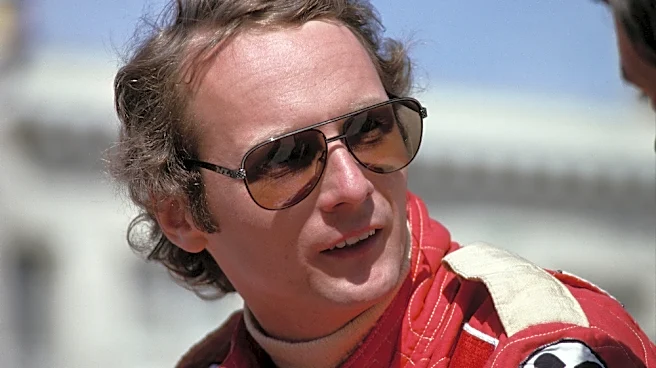
Before the season even began, there were notable changes in the Formula One paddock. Reigning World Champion Niki Lauda and Ferrari had parted ways late in 1977, a move that saw both parties struggle to replicate their previous successes. Lauda joined Brabham, while Carlos Reutemann became the lead Ferrari driver, eventually finishing third in the championship. Lauda, despite his move, finished fourth overall, indicating a challenging year for the former champion. These team and driver changes set the stage for a season where new contenders would rise.
The early races showcased a varied competitive field. While Andretti took the first win in Argentina, Carlos Reutemann secured a comfortable victory in Brazil, marking Formula One's first visit to the new Jacarepagua Autodrome. The South African Grand Prix saw a dramatic finish, with Ronnie Peterson winning after several leaders, including Andretti and Riccardo Patrese, encountered problems. The United States West Grand Prix was dominated by Ferrari in qualifying, with Reutemann ultimately winning. These initial races demonstrated that while Lotus was strong, other teams and drivers were capable of challenging for victories, creating an exciting and unpredictable start to the season.
Innovation and Controversy: The 'Fan Car'
A significant point of interest and controversy during the 1978 season was the introduction of Brabham's "fan car" at the Swedish Grand Prix. This innovative design, which used a large fan at the rear to create downforce, sparked anger among other teams. Despite the protests, the FIA allowed it to race. Niki Lauda, driving the fan car, went on to win the race, his first for Brabham, after Andretti's challenge ended due to an engine failure. This technological development highlighted the constant push for innovation in Formula One, even if it led to disputes among competitors.
However, the fan car's presence was short-lived, as Brabham was forced to revert to their previous car for the French Grand Prix. This decision, whether due to regulatory pressure or practical considerations, meant that the controversial design did not have a prolonged impact on the championship. Nevertheless, it remains a memorable example of how teams sought to gain a competitive edge through engineering, sometimes pushing the boundaries of the rules and generating significant debate within the sport.
A Season of Tragedy and a Somber Championship
The 1978 season was tragically marked by the death of Ronnie Peterson, Mario Andretti's teammate, following a crash at the Italian Grand Prix. Peterson, who was awarded second place in the Drivers' standings posthumously, suffered fatal medical complications after the accident at Monza. This event cast a deep shadow over Andretti's championship victory, which he did not celebrate, instead mourning his friend. The year also saw another tragedy with the death of Peterson's Swedish compatriot Gunnar Nilsson from cancer, who had been forced to retire from racing after the previous season due to his illness.
These losses underscored the inherent dangers of motorsport and the personal toll it could take. The somber mood surrounding Andretti's championship win reflected the gravity of these events. Despite the triumphs of the Lotus-Ford team and Andretti's individual success, the human cost of the season left a lasting, melancholic legacy. The 1978 Formula One season, therefore, is remembered not only for its thrilling races and championship battles but also for the profound sadness that accompanied its conclusion.