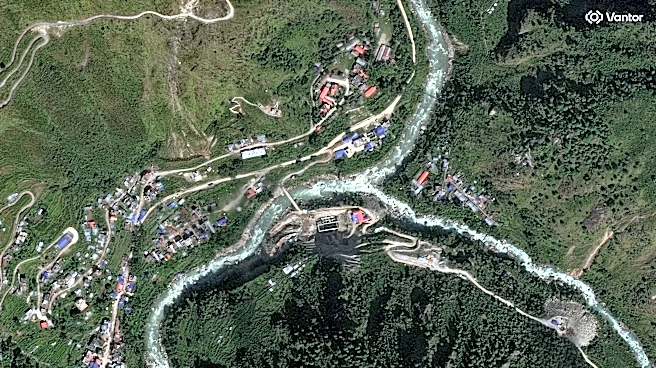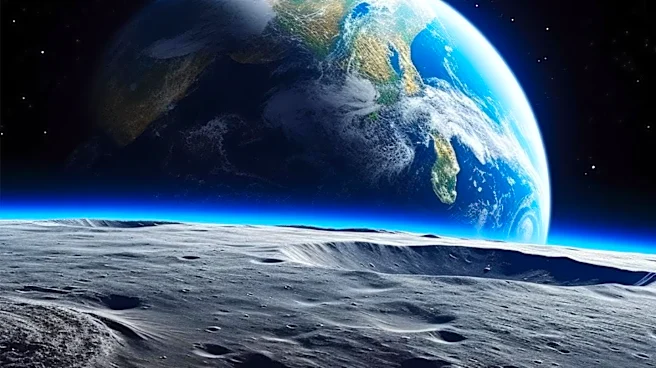

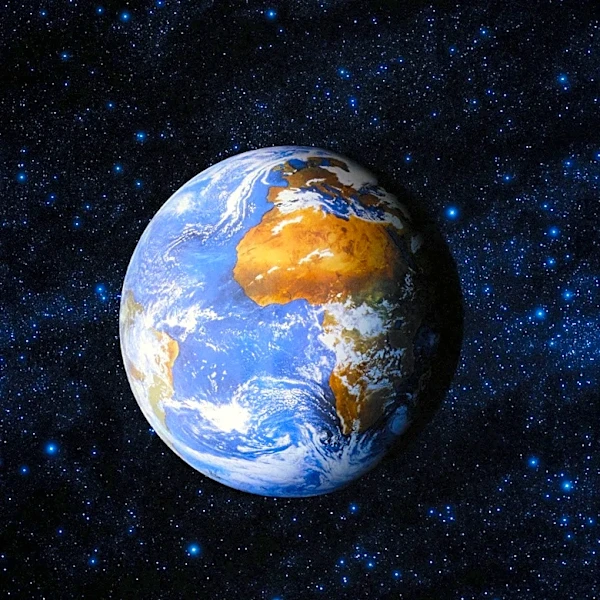




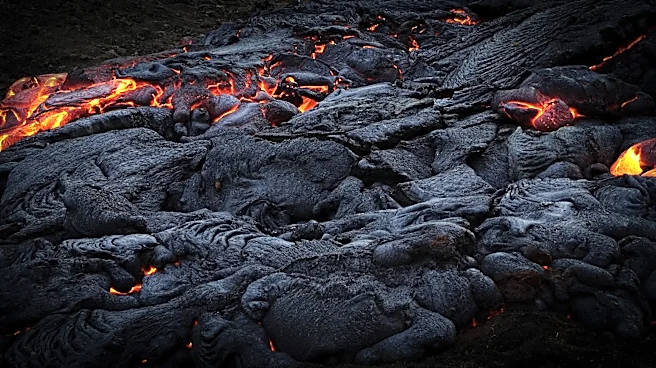

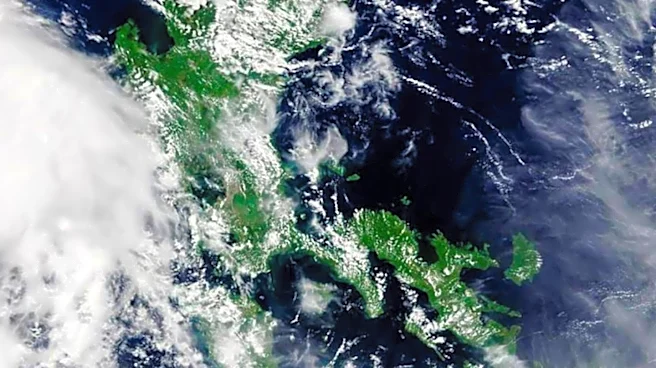
Earth science, also known as geoscience, is a comprehensive term that covers all the sciences related to our home planet, Earth. It delves into the physical, chemical, and biological complexities of Earth's interconnected systems, often conceptualized as distinct layers or "spheres." These spheres include the lithosphere (rocks), hydrosphere (water), atmosphere (air), and biosphere (life). Some definitions also incorporate the cryosphere (ice) as a part
of the hydrosphere and the pedosphere (soil) as an active, intermixed sphere. This field aims to understand the Earth's structure, processes, and the natural phenomena and environmental changes that occur.
The Core Branches of Earth Science
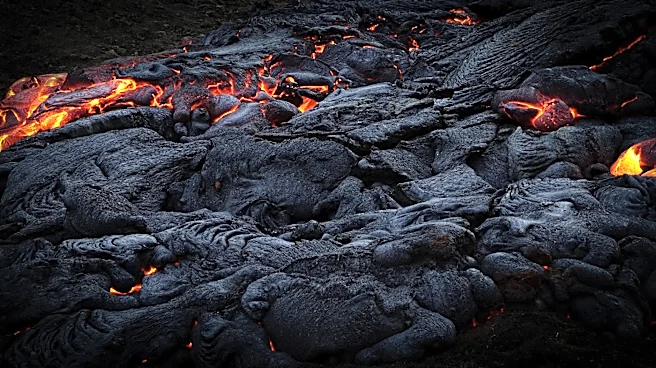
Earth science is a broad discipline that encompasses several specialized fields. Geology, for instance, focuses on the solid Earth, including its composition, structure, and processes. This branch has a long history, with the development of economic geology and mineralogy emerging in the 18th century. The 19th century saw a blossoming of paleontology, the study of ancient life through fossils. Later, in the 20th century, the growth of geophysics led to the groundbreaking theory of plate tectonics in the 1960s, a development that profoundly impacted Earth sciences, much like the theory of evolution transformed biology. Today, Earth sciences are closely tied to critical areas such as petroleum and mineral resources, climate research, and environmental assessment and remediation.
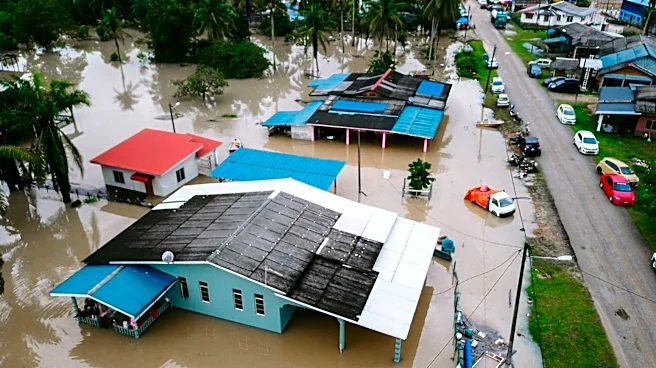
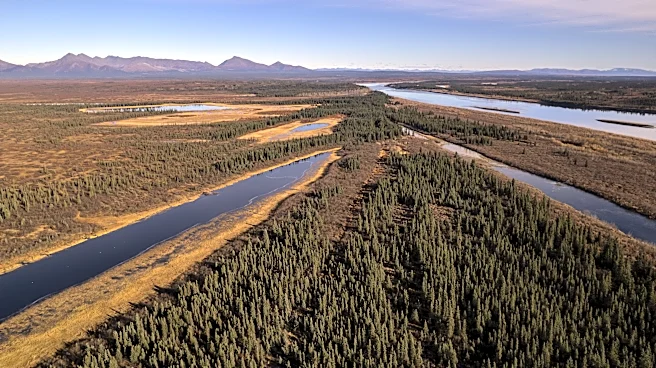
Another vital branch is hydrology, which is the study of the hydrosphere and the movement of water across Earth. This includes understanding the water cycle and how humans interact with and utilize freshwater supplies. Oceanography, a subdiscipline of hydrology, specifically studies the oceans. Hydrogeology focuses on groundwater, including mapping supplies and analyzing contaminants, with applied hydrogeology working to prevent contamination and make groundwater safe for drinking. Ecohydrology examines ecological systems within the hydrosphere, looking at the reciprocal effects between organisms, aquatic ecosystems, and human activities. Glaciology, the study of the cryosphere, addresses glaciers, ice, and snow cover, with concerns ranging from freshwater access to mitigating glacial hazards and understanding climate change impacts.
Atmospheric and Planetary Perspectives
Atmospheric science, while sometimes considered alongside Earth sciences, is also recognized as a separate branch of natural science due to its independent development. This field investigates the characteristics of the atmosphere's various layers, from ground level to the edge of space, and its studies can span timescales from days to centuries. It may even extend to examining climatic patterns on other planets. This specialization highlights the intricate nature of Earth's atmospheric systems and their profound influence on our planet's environment.
Planetary science represents a more recent generalization of Earth science, extending the study of planetary bodies beyond Earth. Planetary scientists often work within astronomy, physics, or Earth sciences departments. Their research involves a combination of observational studies, primarily through robotic spacecraft missions using remote sensing, and comparative experimental work conducted in Earth-based laboratories. Theoretical planetary science relies heavily on mathematical modeling and computer simulation. Individuals pursuing careers in this field typically undertake graduate-level studies in Earth sciences, astronomy, astrophysics, geophysics, or physics, then specialize their research within planetary science. This expansion underscores the interconnectedness of scientific inquiry, where understanding our own planet provides a foundation for exploring the broader cosmos.
Interdisciplinary Connections and Modern Relevance
Earth science is inherently interdisciplinary, drawing upon tools and principles from chemistry, physics, and biology. Geochemistry, for example, applies chemical tools to study the Earth's composition, structure, and processes, with subdisciplines like aqueous geochemistry, cosmochemistry, isotope geochemistry, and biogeochemistry. Ecology, the study of the biosphere, examines how living things interact with Earth and each other, and how they utilize resources like oxygen, water, and nutrients. It also considers the impact of humans and other creatures on nature. Physical geography integrates astronomy, mathematical geography, meteorology, climatology, geology, geomorphology, biology, biogeography, pedology, and soils geography to understand Earth's systems as a single, interacting whole. This holistic approach is crucial for addressing contemporary challenges such as climate change, resource management, and environmental sustainability, making Earth science a field of immense and ongoing importance.