

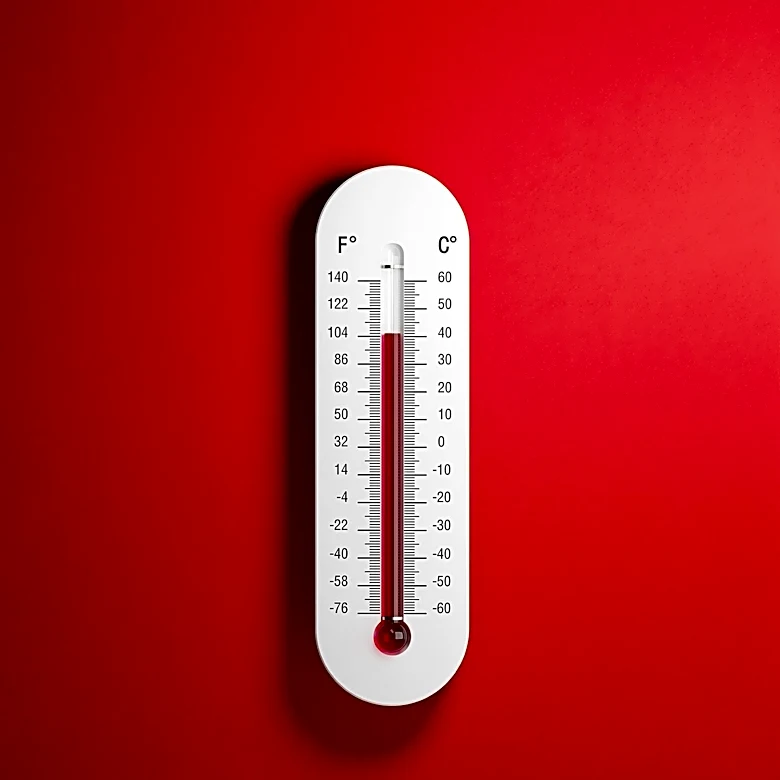






Fever, also known as pyrexia or a febrile response, is a common medical condition characterized by an increase in the body's internal temperature above its normal range. It is typically diagnosed when the temperature exceeds 37.2 to 38.3 °C (99.0 to 100.9 °F). While often a cause for concern, especially among parents, fever is a frequent occurrence in healthcare settings and is understood to be a defense mechanism, though treating it does not consistently
alter patient outcomes.
Common Causes and Associated Symptoms
Fever is most frequently triggered by viral or bacterial infections. Beyond infections, it can also arise from an increase in the body's temperature set point, which is the internal thermostat regulating body temperature. This elevation in temperature is a common symptom across a wide array of diseases. The body's response to this elevated set point often manifests in a series of noticeable symptoms.Initially, individuals experiencing a fever may report shivering and chills as the body attempts to generate heat to reach the new, higher temperature set point. As the fever progresses or begins to resolve, other symptoms typically appear, including flushing, where the skin becomes red and warm, and sweating, as the body tries to cool down. These symptoms are part of the body's complex physiological reaction to an elevated core temperature.
Epidemiology and Clinical Significance
Fever is one of the most prevalent medical signs encountered in clinical practice. It accounts for approximately 30% of all healthcare visits made by children, highlighting its commonality in pediatric populations. Furthermore, fever is observed in up to 75% of adults who are seriously ill, indicating its frequent presence in more severe medical conditions. About 5% of individuals presenting to an emergency room will have a fever, underscoring its role as a frequent reason for seeking urgent medical attention.Despite its commonality, fever is often viewed with greater apprehension than may be warranted, a phenomenon sometimes referred to as "fever phobia." This concern can be particularly pronounced among parents and even some healthcare professionals. However, current medical understanding suggests that while fever is unpleasant, it rarely reaches dangerous levels on its own, even if left untreated. For instance, brain damage due to fever generally does not occur until temperatures reach 40.0 °C (104.0 °F).
Management and Treatment Approaches
Managing fever does not always necessitate treatment, and many individuals recover without specific medical intervention. The primary focus of treatment is often on addressing the underlying cause of the fever rather than the fever itself. Medications known as antipyretics, such as ibuprofen and paracetamol (acetaminophen), are commonly used to lower fever and alleviate discomfort.In children, ibuprofen has been shown to be effective in reducing fevers and is considered more effective than acetaminophen alone. Combining ibuprofen and acetaminophen can also be safely used and may be more effective than using either medication by itself, though it's not clear if this increases a child's comfort. It is important to note that aspirin is not recommended for individuals under 18 due to the risk of Reye's syndrome. While antipyretics can reduce temperature, their impact on overall outcomes, particularly in critically ill patients or those with sepsis, remains mixed, with some studies showing no benefit and others suggesting potential harm in aggressive fever treatment.