




Kung Pao chicken, a renowned spicy, stir-fried Chinese dish, finds its true essence in the culinary traditions of Sichuan. While widely enjoyed and adapted, the original Sichuan version stands out for its precise selection of ingredients and a meticulous preparation process that creates its distinctive flavor profile. This dish is not merely a combination of chicken and spices; it is a carefully orchestrated symphony of tastes and textures, where
each component plays a crucial role in achieving the authentic Sichuan experience. Understanding the specific elements and techniques involved reveals the artistry behind this classic.
The Foundation: Chicken and Marinade
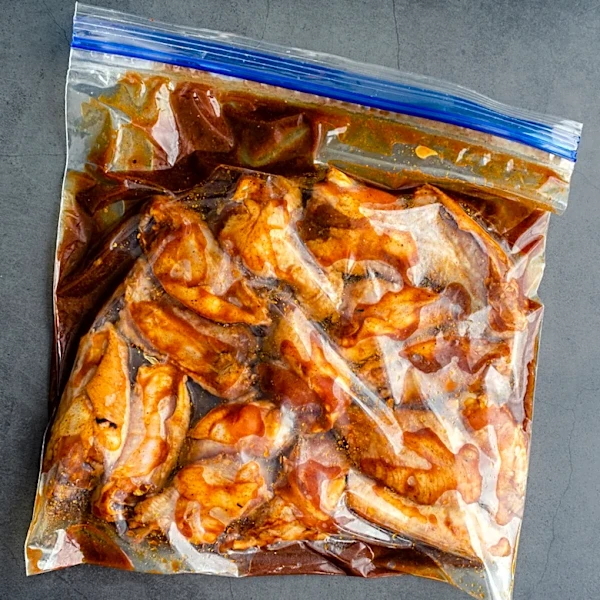
At the heart of the original Sichuan Kung Pao chicken is, of course, chicken. The primary ingredient is typically diced chicken, which is prepared by mixing it with a marinade. This marinade is not just for flavor; it also contributes to the texture of the chicken, ensuring it remains tender and juicy during the stir-frying process. A key component of this marinade is Shaoxing wine, a traditional Chinese rice wine. Its inclusion is vital for enhancing the overall flavor of the chicken, imparting a subtle depth and aroma that is characteristic of authentic Sichuan cuisine. The careful marination sets the stage for the subsequent cooking steps, allowing the chicken to absorb flavors that will complement the spices to come.
The Spice Profile: Chilis and Peppercorns
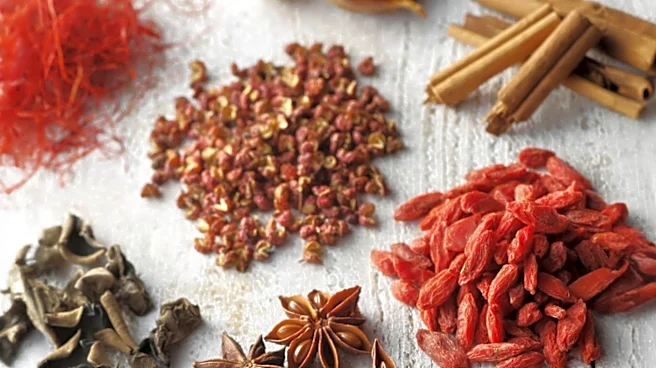
The signature spiciness and aromatic qualities of Sichuan Kung Pao chicken are largely attributed to its unique combination of chili peppers and Sichuan peppercorns. In Sichuan, or when aiming for a Sichuan-style preparation, specific chili peppers are preferred. These include varieties such as facing heaven pepper or seven stars pepper, known for their distinct heat and flavor. Smaller, thinner Sichuanese chili varieties may also be used, contributing to the dish's complex spice level. These chili peppers are flash-fried in a seasoned wok at the beginning of the cooking process, releasing their fragrance into the oil and building the foundational heat of the dish.
Following the chili peppers, Sichuan peppercorns are introduced. While Kung Pao chicken is not classified under the numbing-spicy "mala" flavor profile, a small amount of fresh, toasted Sichuan peppercorns is traditionally incorporated. This addition serves a critical function: it balances the intense heat from the chili peppers, creating a more nuanced and harmonious spicy experience rather than just a singular fiery sensation. The interplay between the chili peppers and Sichuan peppercorns is what gives the dish its characteristic depth and complexity.
The Essential Crunch: Peanuts and Finishing Touches
No authentic Sichuan Kung Pao chicken would be complete without its distinctive peanuts. The traditional method calls for fresh, moist, unroasted peanuts, which are often preferred over their pre-roasted counterparts. These peanuts are added to the hot oil at the bottom of the wok and deep-fried until they turn golden brown. This step is crucial for achieving the desired texture and nutty flavor, and it is completed before the other main ingredients are fully incorporated. After the chicken is stir-fried, chopped Welsh onion is added along with these perfectly fried peanuts, bringing together all the elements into a cohesive and flavorful dish. This careful layering of ingredients and precise cooking techniques are what elevate Sichuan Kung Pao chicken to its celebrated status.