





NASA's Space Shuttle program was a groundbreaking initiative that spanned three decades, from 1981 to 2011. It was the fourth human spaceflight program conducted by the U.S. National Aeronautics and Space Administration, designed to provide routine transportation for crew and cargo to low Earth orbit. The program's official name, Space Transportation System (STS), was derived from a 1969 plan for reusable spacecraft, marking a new era in space exploration.
Inception and Development
The Space Shuttle program was born out of a vision for reusable spacecraft that could reduce the cost of space travel. Initially, the program was estimated to cost $7.45 billion in development, with each flight projected at $9.3 million. However, the actual cost over its 30-year lifespan reached $196 billion, reflecting the complexities and challenges of maintaining such an ambitious program.
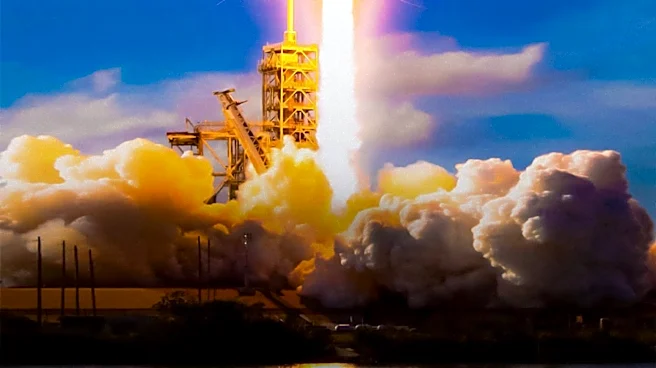
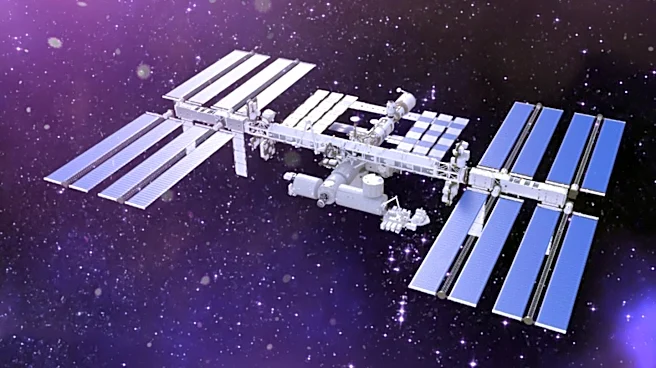
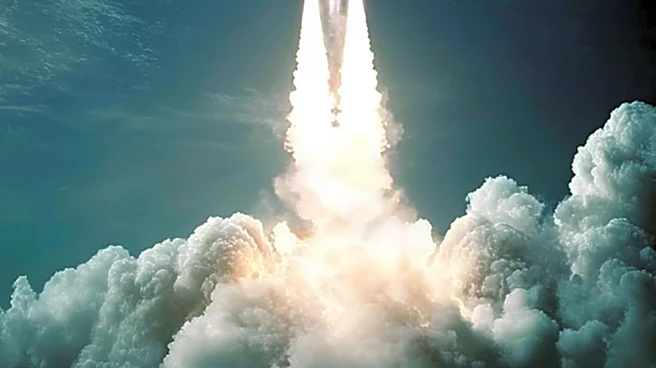
The program's first crewed flight, STS-1, launched on April 12, 1981, aboard the Space Shuttle Columbia. This mission marked the beginning of a series of 135 flights, carrying 355 astronauts from 16 countries. The program's ability to launch satellites, conduct scientific experiments, and contribute to the construction of the International Space Station showcased its versatility and importance.
Milestones and Challenges
Throughout its history, the Space Shuttle program faced significant challenges, including two catastrophic accidents. The Challenger disaster in 1986 and the Columbia disaster in 2003 resulted in the loss of 14 astronauts and led to national inquiries and program pauses. These incidents prompted safety improvements and redesigns, ensuring the program's continuation and success.
Despite these setbacks, the program achieved numerous milestones, including the longest mission, STS-80, lasting 17 days. The shuttles docked with the Russian space station Mir nine times and visited the ISS 37 times, highlighting the program's role in international collaboration.
Conclusion and Legacy
The final flight of the Space Shuttle program, STS-135, launched on July 8, 2011, aboard Atlantis. This mission marked the end of an era, transitioning NASA's focus to new methods of space travel and resupply. The program's legacy is one of innovation, resilience, and international cooperation, leaving a lasting impact on the field of space exploration.
As NASA moves forward with new initiatives, the lessons learned from the Space Shuttle program continue to inform and inspire future endeavors. The program's contributions to science, technology, and international partnerships remain a testament to the possibilities of human spaceflight.