





Nobuo Fujita holds a unique and singular place in the history of World War II as the only Axis pilot to conduct an aerial bombing mission against the contiguous United States. Flying a floatplane launched from a long-range submarine aircraft carrier, Fujita executed the Lookout Air Raids in southern Oregon in September 1942. His mission, though ultimately ineffective in its primary goal, represented a direct attack on American soil during a global
conflict, a rare occurrence that underscores the reach and ambition of Japanese military strategy at the time. This event remains a notable, if often overlooked, chapter in the wartime history of the U.S.
The Mission: Incendiary Attack on Oregon
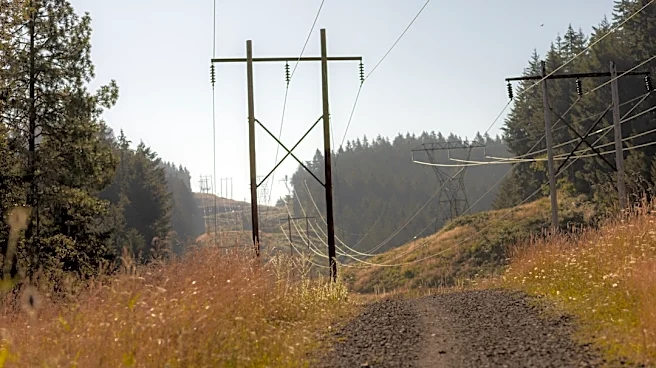
Fujita's objective was to initiate massive forest fires in the Pacific Northwest, specifically near Brookings, Oregon. The strategy behind this was to divert U.S. military resources from the Pacific Theater to combat these blazes on the home front. This tactic of using incendiary bombs to start widespread fires was later employed in the Japanese fire balloon campaign, indicating a broader strategic interest in disrupting American resources through environmental warfare. The choice of a floatplane launched from a submarine allowed for a stealthy approach, aiming to catch the U.S. off guard and maximize the potential for destruction.
On September 9, 1942, Fujita, flying from the submarine I-25, carried a load of two incendiary bombs. He successfully dropped both, with one landing on Wheeler Ridge on Mount Emily in Oregon. The precise location of the second bomb remains unknown. The bomb on Wheeler Ridge did ignite a small fire approximately 9.9 miles due east of Brookings. However, U.S. Forest Service employees were able to quickly extinguish it. The effectiveness of the bombs was severely hampered by heavy rain the night before, which had left the forest very damp, rendering the incendiary devices largely ineffective.
Spotting and Surveillance
Despite the limited damage, Fujita's plane was indeed spotted during its mission. Two men, Howard Gardner and Bob Larson, at the Mount Emily fire lookout tower in the Siskiyou National Forest, observed the aircraft. Additionally, two other lookout stations, the Chetco Point Lookout and the Long Ridge Lookout, reported seeing the plane, although heavy fog prevented them from getting a clear view. The presence of the aircraft was not a secret; many people saw and heard Fujita's plane, particularly when he flew over Brookings in both directions around noon.
This reconnaissance and bombing mission was part of a broader series of operations conducted by the I-25 submarine and its attached floatplane. Prior to the Oregon bombing, Fujita had already undertaken reconnaissance flights over various locations in the South Pacific and Australia. These included Sydney Harbour, Melbourne, Hobart, Wellington, Auckland, and Fiji, demonstrating the long-range capabilities of the Japanese submarine aircraft carriers and the strategic importance placed on gathering intelligence and, in the case of Oregon, attempting to disrupt enemy resources.
The I-25 and its Role
Nobuo Fujita was a Japanese naval aviator of the Imperial Japanese Navy. He flew a floatplane, specifically a "Glen" (Yokosuka E14Y), from the long-range submarine aircraft carrier I-25. This submarine was instrumental in enabling Fujita's unique mission. The I-25's ability to carry and launch a reconnaissance floatplane allowed for operations far from Japanese shores, extending the reach of their intelligence gathering and, in this instance, direct attack capabilities. The submarine's design included a watertight hangar to stow the disassembled floatplane, enabling it to surface, launch the aircraft, and then submerge again, providing a degree of stealth and operational flexibility that was advanced for its time. The I-25's subsequent missions after the Oregon bombing continued to involve reconnaissance and other operations, highlighting its role as a versatile and long-range asset for the Imperial Japanese Navy.