




Hanoi, the capital city of Vietnam, is a melting pot of cultures and ethnicities, shaped by its historical and demographic changes. This article explores the cultural and demographic shifts that have occurred in Hanoi, highlighting the city's diverse population and cultural heritage.
French Colonial Era and Cultural Diversity
During the French colonial period, Hanoi became the capital of French Indochina, attracting a diverse population. The city saw an influx of French, Chinese, and Vietnamese
people from surrounding areas, contributing to its cultural diversity. By the 1940s, Hanoi's population had grown to over 132,000, reflecting the city's status as a colonial hub.
The French influence is evident in Hanoi's architecture, cuisine, and urban planning. Colonial buildings and French-style cafes are scattered throughout the city, offering a glimpse into Hanoi's past. This blend of cultures has created a unique atmosphere in Hanoi, where traditional Vietnamese customs coexist with French colonial legacies.
Post-Colonial Demographic Changes
After gaining independence, Hanoi underwent significant demographic changes. In 1954, the city's population was 53,000, covering an area of 152 square kilometers. By 1961, the area had expanded to 584 square kilometers, and the population reached 91,000. The city's growth continued, and by 1999, Hanoi's population had increased to over 2.6 million.
The expansion of Hanoi in 1978 and 2008 further transformed the city's demographics. The population surged to over 6 million by 2008, making Hanoi one of the largest capitals in the world. This growth was driven by economic development and urbanization, attracting people from various regions and ethnic backgrounds.
Ethnic Composition and Cultural Heritage
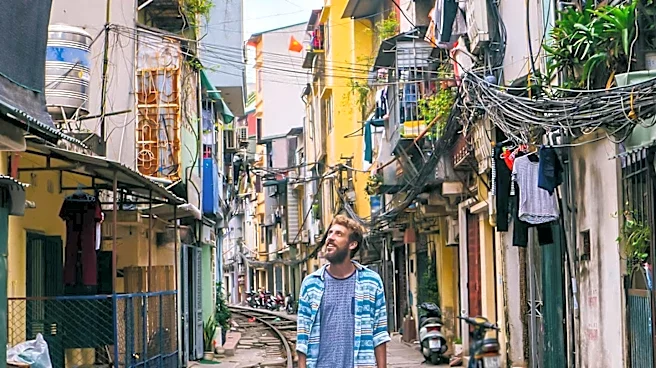
Hanoi is home to more than 50 ethnic groups, with the Viet (Kinh) being the largest, accounting for 98.66% of the population. Other ethnic groups include the Mường and Tày, contributing to the city's cultural richness. The Old Quarter, a historic area in Hanoi, reflects this diversity, with street-front stores owned by merchants from different provinces.
The cultural heritage of Hanoi is celebrated through festivals, traditional arts, and cuisine. The city's vibrant cultural scene is a testament to its diverse population, offering a blend of traditional and modern influences. Hanoi's ability to embrace its cultural diversity while preserving its heritage makes it a unique and dynamic city.