


The 1987 National Football League (NFL) season stands out in history due to a significant strike by the National Football League Players Association (NFLPA). This labor dispute led to games being predominantly played by replacement players for several weeks, fundamentally altering the competitive landscape and creating unique scenarios for teams and players alike. The strike, which spanned from weeks four to six of the regular season, forced the league
to adapt, resulting in a season unlike many others.
The NFLPA Strike and Replacement Players
The NFLPA players initiated their strike from weeks four to six of the 1987 season. During this period, the league continued its schedule by utilizing replacement players. This meant that for a significant portion of the early season, teams were composed of individuals who were not part of the regular NFLPA roster. Once the NFLPA players eventually returned to play, most of these replacement players were subsequently released from their temporary roles.
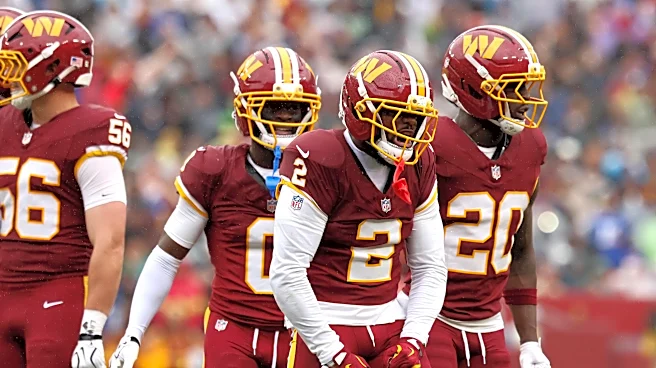
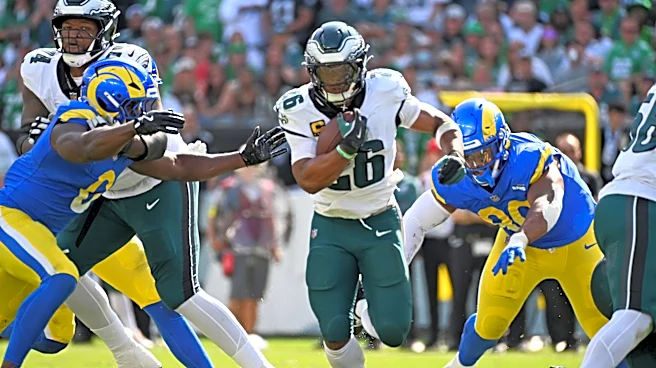
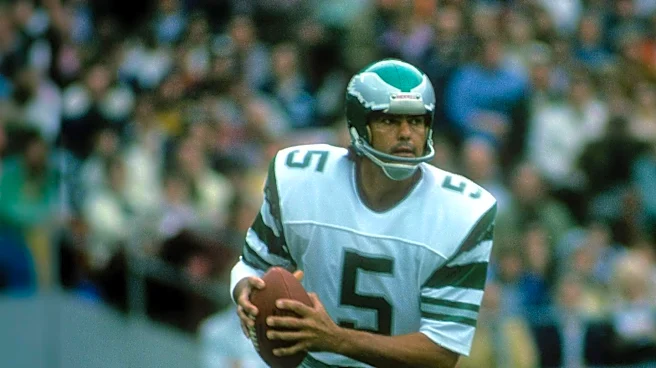
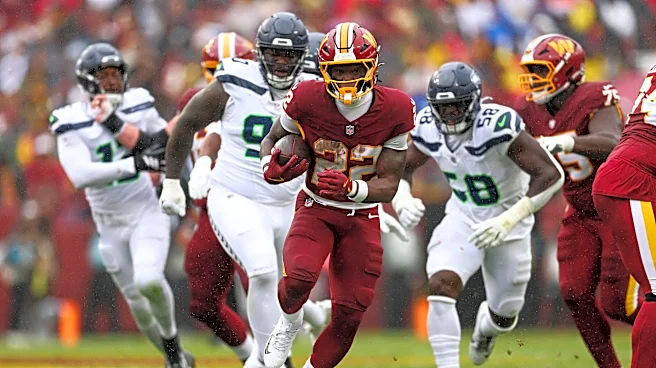
One of the most notable games involving replacement players was a Monday Night Football matchup on October 19, 1987. In this game, the Washington Redskins faced the Dallas Cowboys. The Redskins emerged victorious with a surprising 13-7 score. This outcome was particularly remarkable because, along with the Philadelphia Eagles, the Redskins were one of only two NFL teams that did not have any of their regular players cross the picket line. In contrast, the Cowboys had many of their big-name players return to the field, making the Redskins' victory even more unexpected.
Team Performances Amidst the Strike
The strike and the use of replacement players had a varied impact on team performances. The Washington Redskins, despite having no regular players cross the picket line, managed to navigate the strike period effectively. Their victory over the Dallas Cowboys, a team with returning star players, highlighted their resilience and the capabilities of their replacement squad. This unique situation contributed to the Redskins' overall success in the season.
Ultimately, the Redskins finished the season with an 11-4 record, securing the NFC East title. They went on to defeat the Denver Broncos 42-10 in Super Bowl XXII, marking their second Super Bowl win in six seasons and, coincidentally, their second Super Bowl victory in a strike-affected year. Quarterback Doug Williams made history by becoming the first black quarterback to start in a Super Bowl and win it, a distinction he held until Russell Wilson's Super Bowl XLVIII victory.
Rule Changes and Revenue Sharing
Beyond the strike, the 1987 NFL season also saw several significant rule changes. One notable alteration concerned pass interference in the end zone: if a defensive player committed pass interference in their own end zone, the ball would be placed at the 1-yard line, or half the distance to the goal line if the previous spot was inside the 2-yard line. Another rule change addressed kickoffs going out of bounds, allowing the receiving team to take possession 30 yards from the spot of the kick or where it went out of bounds, except for the first onside kick attempt.
Revenue sharing also underwent changes, with NFL players receiving a portion of ticket revenue, while owners retained revenue from skybox rentals. This shift incentivized many teams to push for new stadiums, often relocating skybox suites to more desirable, closer-to-the-field locations to increase rental charges. This also led to a reduction in general admission seating in favor of larger suites, impacting the overall availability and pricing of tickets for fans.