




The 2016 U.S. presidential election was a pivotal moment for the Democratic Party, as it sought to maintain control of the White House following two terms under President Barack Obama. With Hillary Clinton as the presidential nominee and Tim Kaine as her running mate, the Democratic strategy focused on building a broad coalition of voters, emphasizing unity and progress. However, the campaign faced numerous challenges, including high unfavorability
ratings for both major candidates and a contentious political climate.
Building a Broad Coalition
The Democratic strategy in 2016 centered on appealing to a diverse electorate. Hillary Clinton's campaign aimed to build on the coalition that had propelled Barack Obama to victory in 2008 and 2012, which included young voters, minorities, and women. Tim Kaine's selection as the vice-presidential candidate was part of this strategy, as his fluency in Spanish and experience in Virginia, a key battleground state, were seen as assets in reaching out to Hispanic voters and other crucial demographics.
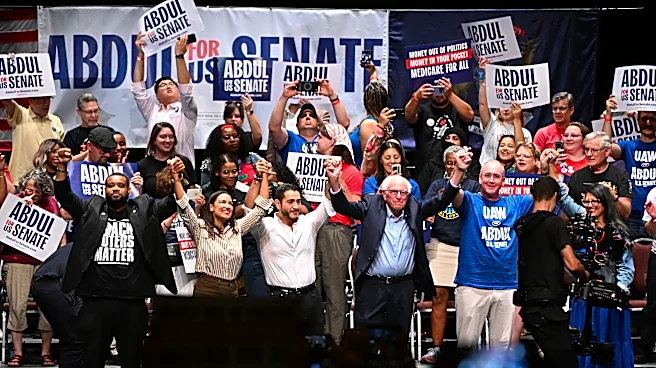
The campaign also sought to unify the Democratic Party after a divisive primary season. Bernie Sanders, Clinton's primary rival, played a significant role in this effort by endorsing Clinton and campaigning on her behalf. Sanders' involvement was crucial in rallying progressive voters who had supported his candidacy, helping to bridge the gap between different factions within the party.
Challenges and Controversies
Despite these efforts, the Democratic campaign faced significant challenges. Both Hillary Clinton and Donald Trump had high unfavorability ratings, which set the tone for a contentious and polarized election. Clinton's use of a private email server during her tenure as Secretary of State became a focal point of criticism, leading to an FBI investigation that concluded without charges but nonetheless impacted public perception.
Additionally, the campaign had to contend with the rise of third-party candidates like Gary Johnson and Jill Stein, who attracted voters dissatisfied with the major party options. The Clinton campaign and its allies worked to counter this by emphasizing the stakes of the election and warning that a vote for a third party could inadvertently aid Trump's candidacy.
The Election Outcome
Ultimately, the Democratic strategy was not enough to secure victory in the 2016 election. The Clinton-Kaine ticket lost to Donald Trump and Mike Pence, with Trump securing key battleground states that had been crucial to Democratic victories in previous elections. The outcome was a significant setback for the Democratic Party, prompting introspection and debate about the future direction of the party.
In the aftermath, the Democratic Party has continued to grapple with the lessons of the 2016 election. The campaign highlighted the challenges of navigating a polarized political landscape and underscored the importance of building a cohesive and inclusive coalition. As the party looks to future elections, the experiences of 2016 remain a critical reference point for shaping strategy and addressing the concerns of a diverse electorate.