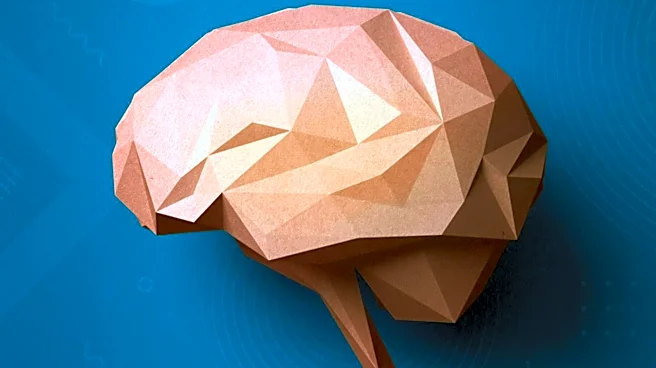








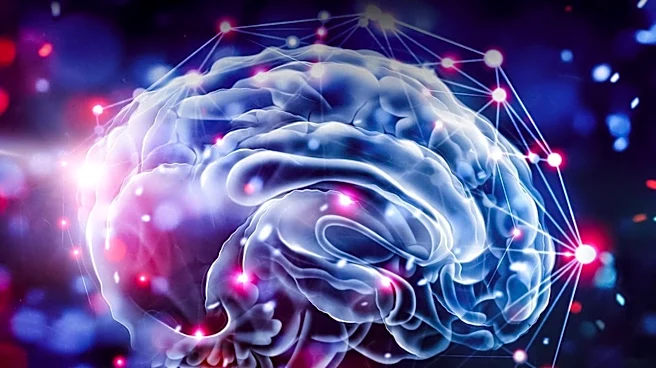


Dopamine is a crucial neurotransmitter in the human brain, playing significant roles in various neurological processes. It is involved in reward-motivated behavior, motor control, and the regulation of several hormones. Understanding dopamine's function in the brain can provide insights into its impact on behavior and its association with various neurological disorders.
Dopamine Pathways and Functions
Dopamine operates through several distinct pathways in the brain, each associated
with different functions. One of the primary pathways is the mesolimbic pathway, which is heavily involved in the motivational component of reward-motivated behavior. This pathway is activated by the anticipation of rewards, leading to increased dopamine levels. This mechanism is crucial for reinforcing behaviors that are perceived as desirable or rewarding.
Another significant pathway is the nigrostriatal pathway, which is essential for motor control. Dopamine neurons in the substantia nigra project to the dorsal striatum, playing a critical role in the coordination of movement. Dysfunction in this pathway is linked to motor impairments, as seen in conditions like Parkinson's disease, where there is a loss of dopamine-secreting neurons.
Dopamine's Influence on Behavior
Dopamine is often associated with pleasure and reward, but its role is more accurately described as conferring motivational salience. This means dopamine signals the importance or desirability of an outcome, influencing behavior towards achieving that outcome. This signaling is crucial for decision-making processes and can drive behaviors towards positive or negative outcomes based on perceived rewards or threats.
In addition to its role in motivation, dopamine also influences the release of various hormones. For instance, it regulates the secretion of prolactin from the pituitary gland. Dopamine acts as an inhibitor, preventing the continuous release of prolactin, which is essential for maintaining hormonal balance in the body.
Dopamine and Neurological Disorders
Dysfunctions in dopamine signaling are associated with several neurological disorders. Parkinson's disease is a well-known condition resulting from the degeneration of dopamine-producing neurons in the substantia nigra, leading to tremors and motor impairments. Treatment often involves the administration of L-DOPA, a precursor to dopamine, to alleviate symptoms.
Schizophrenia is another disorder linked to altered dopamine activity. Antipsychotic drugs used to treat schizophrenia often function as dopamine antagonists, reducing dopamine activity to manage symptoms. Additionally, conditions like ADHD and restless legs syndrome are associated with decreased dopamine activity, highlighting the neurotransmitter's broad impact on neurological health.
Understanding dopamine's role in the brain is essential for developing treatments for these disorders and improving our comprehension of human behavior and motivation. As research continues, the complexities of dopamine signaling and its implications for health and disease will become increasingly clear.