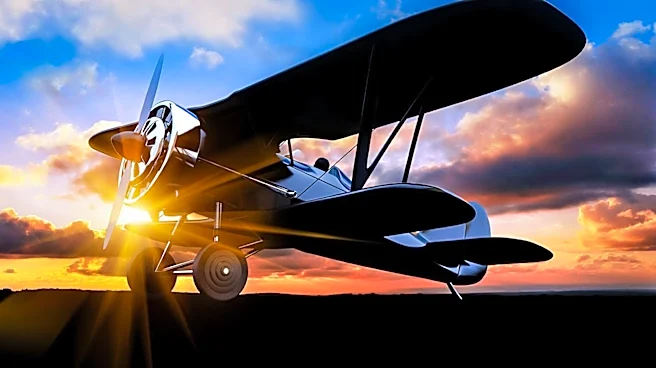









The first non-stop transatlantic flight by John Alcock and Arthur Brown in 1919 was not just a triumph of aviation but also a testament to human resilience in the face of adversity. The duo faced numerous challenges during their journey from Newfoundland to Ireland, ranging from technical failures to harsh weather conditions. This article examines the obstacles they encountered and how they overcame them.
Technical Failures and Mechanical Issues
Alcock and Brown's flight was plagued by several
technical difficulties. Shortly after takeoff, the wind-driven electrical generator failed, leaving them without radio contact, intercom, and heating. This was a significant setback, as it meant they had to endure the cold in the open cockpit without any means of communication.
The aircraft itself, a modified Vickers Vimy bomber, was overburdened with fuel, making takeoff challenging. The plane barely cleared the treetops as it left Lester's Field in Newfoundland. During the flight, an exhaust pipe burst, creating a deafening noise that made communication between the pilots nearly impossible. Additionally, the trim control broke, causing the aircraft to become nose-heavy as fuel was consumed.
Navigational Challenges and Weather Conditions
Navigating the vast expanse of the North Atlantic was another significant challenge. Dense fog enveloped the aircraft, preventing Brown from using his sextant for navigation. This forced them to fly blind for extended periods, relying on their instincts and experience.
The weather conditions were harsh and unpredictable. They encountered a severe snowstorm that froze their instruments and threatened to ice over the aircraft. The open cockpit left them exposed to the elements, and their electric heating suits failed, adding to their discomfort. Despite these challenges, Brown managed to catch a glimpse of the stars, allowing him to confirm their course.
Overcoming Adversity and Achieving Success
Despite the numerous challenges, Alcock and Brown's determination and skill saw them through. Alcock's piloting expertise allowed him to regain control of the aircraft after losing it twice, narrowly avoiding a crash into the sea. Brown's navigation skills, honed during his military service, proved invaluable in keeping them on course.
Their successful landing in a bog near Clifden, Ireland, marked the end of a grueling journey. The aircraft flipped over upon landing, but both men emerged unscathed. Their achievement was celebrated worldwide, and they were hailed as pioneers in aviation. The challenges they faced and overcame during their flight remain a testament to their courage and determination.