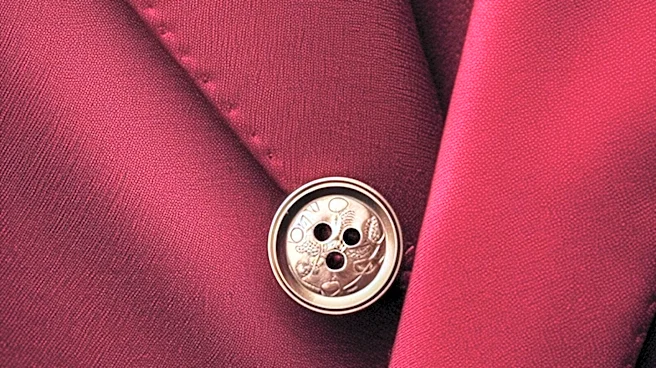








Buttons have been a part of human attire for thousands of years, evolving from simple ornaments to essential fasteners in clothing. This journey through time reveals how buttons have adapted to cultural and technological changes, becoming both functional and decorative elements in fashion. By examining their history, we can appreciate the role buttons have played in human civilization.
Ancient Beginnings
The earliest known buttons were not used as fasteners but as ornaments
or seals. These button-like objects have been discovered in the Indus Valley Civilization, dating back to around 2800-2600 BC. Made from seashells, these early buttons were often carved into geometric shapes and pierced to be attached to clothing with thread. This ornamental use of buttons continued in various ancient cultures, including the Catacomb culture in Russia and Bronze Age China.
In Ancient Rome, buttons began to serve a more functional purpose. Leatherwork from the Roman Empire incorporated some of the first buttonholes, using metallic buckles or buttons to close garments. This innovation marked a significant step in the evolution of buttons from mere decoration to practical fasteners.
Middle Ages to Renaissance
The Middle Ages saw further development in button technology. European Crusaders are believed to have brought the button loop back from the Middle East, allowing for more fitted garments. By the 13th century, buttonholes were being used in Germany, and button-making guilds were established, highlighting the growing importance of buttons in fashion.
During the Renaissance, buttons became integral to the fitted fashions of the time. The doublet, a tight-fitting men's jacket, required rows of buttons to achieve its shape. Buttons also became luxury items, reflecting wealth and status. Some were made of precious metals and encrusted with jewels, serving as both functional fasteners and decorative jewelry.
Modern Developments
The 17th century introduced fabric-covered and embroidered buttons, which were often used for decorative purposes. By the 18th and 19th centuries, buttons were being mass-produced, making them more accessible to the general public. The industrial revolution further advanced button manufacturing, with new materials and techniques allowing for greater variety and affordability.
Today, buttons are made from a wide range of materials, including plastic, metal, and wood. While they continue to serve as essential fasteners in clothing, buttons also remain a popular decorative element, with collectors seeking out unique and antique designs. The evolution of buttons reflects broader changes in fashion and technology, illustrating how a simple object can adapt and endure through the ages.