



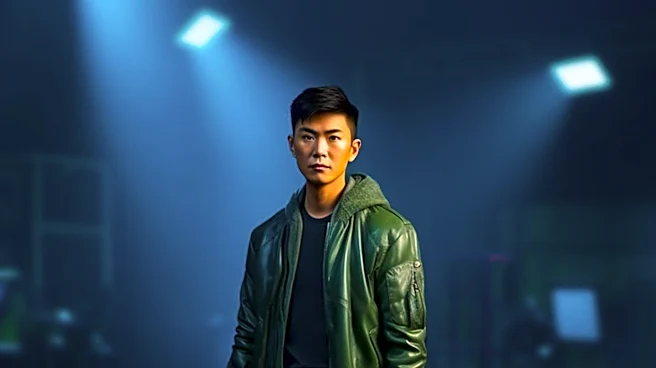
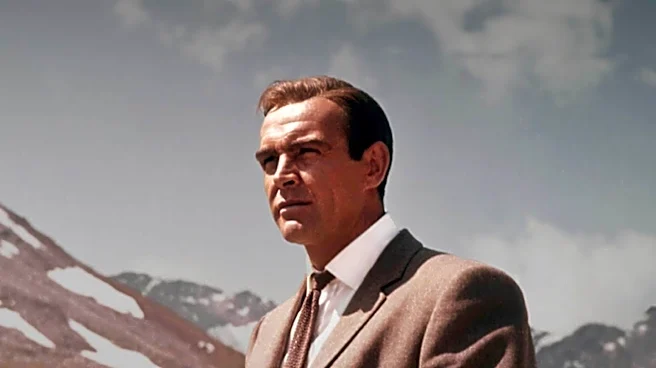

"Shang-Chi and the Legend of the Ten Rings," a 2021 American superhero movie, marked a significant moment in the Marvel Cinematic Universe (MCU). As the 25th film in the expansive franchise, it not only introduced a new hero but also broke new ground in representation. The journey to bring Shang-Chi to the big screen was a long one, spanning two decades from initial development to its eventual premiere, navigating creative decisions and global challenges
to deliver a groundbreaking cinematic experience.
A Long Road to Development and a Fast-Tracked Vision
The concept of a movie based on the Marvel Comics character Shang-Chi first entered development as early as 2001. However, substantial work on the project did not truly commence until December 2018, when David Callaham was brought on board to write the screenplay. This marked a pivotal moment, setting the stage for the film's accelerated production.
In March 2019, Destin Daniel Cretton joined the project as director, further solidifying the creative team. With Cretton at the helm, the film was fast-tracked, signaling Marvel Studios' commitment to making it their first movie to feature an Asian lead. This decision was influenced by the success of other films like "Black Panther" and "Crazy Rich Asians" in 2018, which demonstrated the demand and impact of diverse storytelling. By July 2019, the movie's full title, "Shang-Chi and the Legend of the Ten Rings," was officially announced, along with its primary cast. This announcement also confirmed the film's deep connection to the mysterious Ten Rings organization and its formidable leader, Wenwu, an entity that had previously made appearances throughout the MCU.
Breaking Barriers in Representation
"Shang-Chi and the Legend of the Ten Rings" was not just another superhero film; it was a landmark achievement for diversity in Hollywood. It proudly stood as the first Marvel Studios movie to feature an Asian director, Destin Daniel Cretton, and a largely Asian cast. This commitment to authentic representation extended beyond the screen, influencing the creative process itself.
Cretton and Callaham, both of Asian descent, were acutely aware of the racial stereotypes that had historically surrounded the Shang-Chi character in the comics. They approached the project with a strong commitment to avoiding these pitfalls, ensuring that the portrayal was "fully three-dimensional" and "modernized" for a 2021 audience. Simu Liu, cast as the titular hero, also voiced his desire for the film to challenge existing perceptions, allowing society to see Asian men as "powerful, desirable, and an aspiration of possibility." The filmmakers aimed for the movie to speak to a "broader Asian diaspora," creating a story that was not only entertaining but also deeply personal and reflective of Asian identity.
Navigating Production Challenges and Global Release
The production of "Shang-Chi and the Legend of the Ten Rings" faced unforeseen global challenges, particularly the onset of the COVID-19 pandemic. Filming initially began in Sydney in February 2020, but just a month later, in March, production was forced to halt due to the escalating pandemic. This pause required careful planning and adaptation to ensure the safety of the cast and crew.
Despite the setback, production successfully resumed in August of the same year, demonstrating the team's resilience and determination. Filming continued steadily before finally completing in October 2020. Additional shooting also took place in San Francisco, adding another layer of authenticity to the film's settings. After a rigorous production schedule, "Shang-Chi and the Legend of the Ten Rings" premiered in Los Angeles on August 16, 2021, generating significant anticipation. It was subsequently released across the United States on September 3, becoming a key part of Phase Four of the Marvel Cinematic Universe and solidifying its place as a cultural and cinematic milestone.