




Islamabad, the capital city of Pakistan, is not only a hub of political and administrative activity but also a city rich in cultural heritage. From ancient civilizations to modern landmarks, Islamabad offers a glimpse into the diverse cultural tapestry of the region. This article explores the cultural heritage of Islamabad, highlighting historical sites and religious landmarks that define its identity.
Ancient Civilizations
The Pothohar Plateau, where Islamabad is located,
is one of the earliest known sites of human settlement in Asia. Archaeological excavations have revealed items of pottery and utensils dating back to prehistory, indicating the presence of ancient civilizations in the region.
The area was an early habitation site for the Aryan community in Central Asia, whose civilization flourished between the 23rd and 18th centuries BCE. The corridor through the region was used by many great armies, including those of Alexander the Great and Genghis Khan, on their way to invade the Indian subcontinent.
Historical Landmarks
Islamabad is home to several historical landmarks that reflect its rich cultural heritage. Saidpur village, situated in Islamabad, has progressed from a village to a sacred place that includes temples where Hindu Mughal Commanders worshipped. The village is named after Said Khan, the son of Sarang Khan, and was converted into a place of Hindu worship by Mughal commander Raja Man Singh.
The region also boasts the Pharwala Fort, built by the Gakhars in the 15th century, and the Rawat Fort, constructed in the 16th century. These forts are a testament to the area's historical significance and offer a glimpse into the architectural styles of the time.
Religious Landmarks
Islamabad is home to several religious landmarks that attract devotees from across Pakistan. The shrine of Sufi mystic Pir Meher Ali Shah is located at Golra Sharif, showcasing the rich cultural heritage of the pre-Islamic period. The shrine of Bari Imam, built by Mughal emperor Aurangzeb, hosts one of the largest religious gatherings in Islamabad, with thousands of devotees attending the annual Urs.
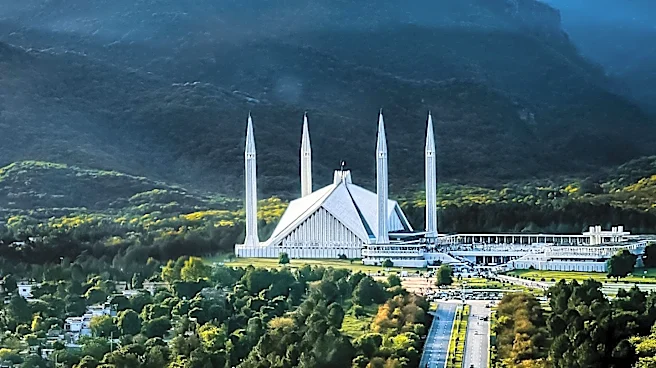
The Faisal Mosque, an iconic cultural and religious landmark, attracts both domestic and international tourists. Its modern interpretation of Islamic architecture, designed by Turkish architect Vedat Dalokay, makes it a unique and captivating site.
Islamabad's cultural heritage is a blend of ancient civilizations, historical landmarks, and religious sites. The city's rich history and diverse cultural influences make it a fascinating destination for those interested in exploring Pakistan's heritage.