



October 4, 1965, marked an extraordinary day in American history as Pope Paul VI arrived in New York City, becoming the first reigning pontiff to ever set foot on U.S. soil. This visit was a meticulously planned, whirlwind 14-hour tour that transformed the city into a stage for an unprecedented public spectacle. From customized vehicles to massive public Masses and a meeting with the President, every moment was designed to maximize public engagement
and convey a message of peace and spiritual connection. The event captivated the nation, with major television networks pooling resources to provide extensive coverage of this historic occasion.
Preparations for an Unprecedented Arrival
Weeks before Pope Paul VI's arrival, extensive preparations were underway to accommodate the historic visit. A 21-foot Lincoln Continental limousine was specially customized to serve as a "popemobile." This unique vehicle featured a large open section in the rear, equipped with a black vinyl throne that could be electronically raised or lowered. Special lighting was installed to illuminate the Pope, ensuring that spectators along his route could clearly see him. This attention to detail underscored the significance of the event and the desire to make the Pope accessible to the public.
Television and radio crews were strategically positioned along the planned route, with the "Big Three" television networks—ABC, CBS, and NBC—collaborating and pooling their resources for comprehensive coverage. CBS even enlisted Fulton J. Sheen, a prominent Catholic bishop at the time, to provide commentary for their broadcast. These preparations highlight the immense public interest and the media's recognition of the visit's historical importance, setting the stage for a day of widespread national attention.
A Whirlwind Tour Across New York City
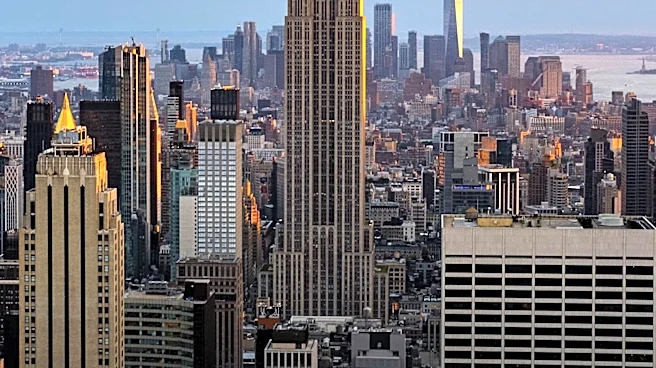
Upon landing at John F. Kennedy International Airport, Pope Paul VI, who had traveled via Alitalia in a Douglas DC-8 decorated with chartreuse velvet, was greeted by U Thant, the Secretary-General of the United Nations. From the airport, he embarked on a 25-mile journey through Queens and Manhattan to St. Patrick's Cathedral. His route took him through diverse neighborhoods, including Harlem and along Fifth Avenue, offering him glimpses of Central Park and allowing countless New Yorkers to witness his procession.
At St. Patrick's Cathedral, Pope Paul VI conducted Mass services, blessed Cardinal Francis Spellman, and greeted the large crowd that had gathered. Following a brief meeting with Cardinal Spellman at his nearby residence, the Pope proceeded to the Waldorf Astoria New York for his historic meeting with President Lyndon B. Johnson. Later, he visited the UN headquarters to deliver his pivotal speech on peace. The day culminated with a massive Mass service at Yankee Stadium, attended by 90,000 people, including Senator Robert F. Kennedy and two of his sons. During this service, he announced that a stone from St. Peter's Basilica, which he had brought, would be blessed and used in the construction of a new seminary for the Roman Catholic Archdiocese of New York.
A Final Stop and Departure
After the grand Mass at Yankee Stadium, Pope Paul VI made a final stop at the Vatican's pavilion for the 1964 New York World's Fair in Queens. This pavilion famously housed Michelangelo's Pietà, a masterpiece normally displayed at St. Peter's Basilica, which had been authorized for exhibition at the fair by the Pope's immediate predecessor. Viewing this iconic artwork was a poignant moment, connecting the spiritual and cultural aspects of his visit.
Leaving the fair at 10:30 p.m., Pope Paul VI was flying back to Rome by midnight, concluding his intense 14-hour trip. His departure marked the end of a truly historic day, one that saw a pontiff engage directly with the American public, political leaders, and the international community on a scale never before witnessed. The visit left an indelible mark, not only as the first papal visit to the Americas but also as a powerful demonstration of the Pope's commitment to global peace and interfaith dialogue.