
The creation of John Lennon and Yoko Ono's "Double Fantasy" album was a carefully orchestrated affair, shrouded in secrecy and marked by unconventional decisions. From the initial recording sessions to
the surprising choice of record label, the project was designed to be a comeback on their own terms. The album's journey began with Ono approaching producer Jack Douglas, a familiar collaborator, to review Lennon's demos. Douglas immediately recognized the intimate quality of these early recordings, noting that it would be challenging to improve upon their raw emotion. This commitment to authenticity and a desire for a fresh approach characterized much of the album's production, leading to a unique recording process and a groundbreaking deal that shocked the music industry.
The Covert Recording Sessions
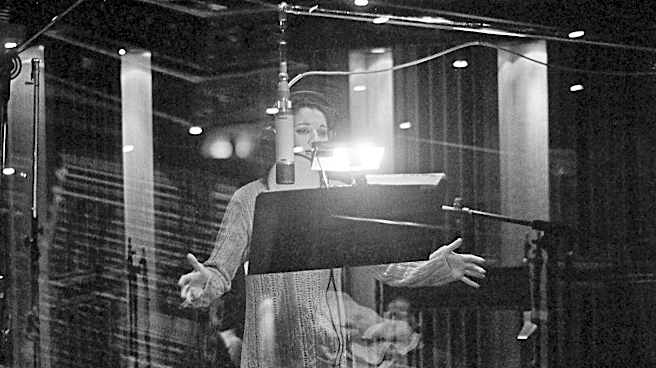
Recording for "Double Fantasy" commenced at the Hit Factory in New York City on August 7, 1980, and continued until October 19, 1980. These sessions were notable for several reasons, including the fact that Lennon and Ono were rarely in the studio together. This arrangement was primarily at Ono's insistence, as she wished to prevent Lennon from imposing his influence on her work. The prolific period yielded dozens of songs, enough to fill "Double Fantasy" and a substantial portion of a planned second album, "Milk and Honey."
Lennon expressed a desire to collaborate with different musicians than he had in the past. To achieve this, producer Jack Douglas assembled and rehearsed the band without initially revealing the identity of the artists they would be recording with. During the sessions, Douglas even brought in Rick Nielsen and Bun E. Carlos from Cheap Trick, a band he was also producing, to play on Lennon's "I'm Losing You" and Ono's "I'm Moving On." However, these tracks were eventually re-recorded with the studio musicians, though the Cheap Trick version of "I'm Losing You" later appeared on the 1998 "John Lennon Anthology" collection.
The Veil of Secrecy and Lennon's Doubts
The recording sessions for "Double Fantasy" were kept under strict wraps, a decision driven by John Lennon's own insecurities. According to Douglas, Lennon harbored doubts about his current work, feeling disconnected from the contemporary music scene and questioning his ability to write or sing to the high standards he had set in his earlier career. This lack of confidence led him to want the option to discreetly abandon the sessions if he felt they were not progressing well. At one point, he even considered giving most of the songs he had written for the album to his former bandmate, Ringo Starr.
Adding to the unconventional nature of the project, Lennon and Ono were not yet signed to a record label during the initial recording phase. They personally financed these early sessions, demonstrating their commitment to the music before securing a distribution deal. It was only after they were satisfied with the album's direction that their publicist, Bruce Replogle, leaked the news of their return to the studio, signaling to the industry that new material was on the horizon.
A Groundbreaking Deal with Geffen Records
The news of Lennon and Ono's return to recording immediately sparked a flurry of offers from all the major record labels. However, the music industry was taken by surprise when the couple ultimately signed with the newly established Geffen Records on September 22, 1980. The decision was largely influenced by David Geffen's shrewd approach. He insisted on speaking with Yoko Ono first, demonstrating a respect for her artistic contributions that was often overlooked by others in the industry. Geffen regarded her input as equal to Lennon's, a perspective that deeply resonated with the couple.
Remarkably, Geffen signed them to his label before even hearing any of the tracks from the album. This bold move underscored his belief in their artistic vision and the potential of their collaboration. This unconventional signing not only marked a significant moment for the newly formed Geffen Records but also highlighted the unique partnership between John Lennon and Yoko Ono, where Ono's role was recognized as integral to their joint creative endeavors.