





Panna cotta, a creamy and elegant dessert, hails from the Piedmont region of Italy. Known for its simplicity and rich flavors, panna cotta has become a staple in Italian cuisine. This article explores the regional significance of panna cotta and its traditional preparation methods.
Piedmont's Culinary Heritage
Piedmont, located in northern Italy, is renowned for its rich culinary traditions. Panna cotta is often cited as a traditional dessert from this region, despite its relatively
recent appearance in Italian cookbooks. The dessert's name, meaning "cooked cream," reflects its straightforward preparation and the region's emphasis on high-quality ingredients.
The Piedmont region officially recognized panna cotta as a traditional food product in 2001, underscoring its cultural importance. The traditional recipe includes cream, milk, sugar, vanilla, gelatin, rum, and marsala, poured into a mold with caramel. This combination of ingredients highlights the region's love for rich, flavorful desserts that showcase the natural sweetness of cream and sugar.
Traditional Preparation Techniques
The preparation of panna cotta is both simple and precise. Cream and sugar are gently heated, often with a vanilla bean, to infuse the mixture with flavor. Gelatin is then added to thicken the cream, allowing it to set into a smooth, custard-like consistency. The mixture is poured into molds and chilled until firm, creating a dessert that is both creamy and delicate.
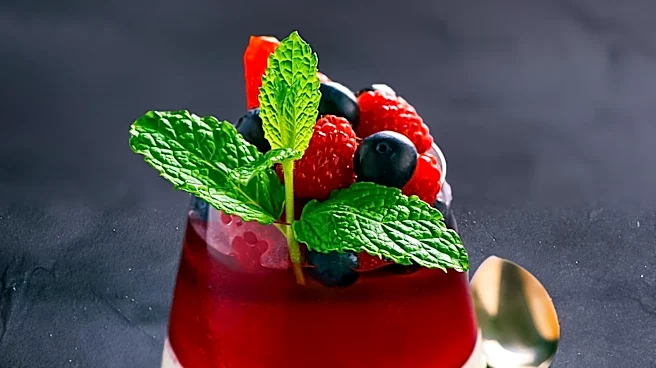
Traditionally, panna cotta is served plain, allowing the flavors of the cream and vanilla to shine. However, it can also be accompanied by a variety of garnishes, such as fresh fruit, caramel sauce, or chocolate. These additions enhance the dessert's visual appeal and provide a contrast to its creamy texture.
Modern Interpretations and Variations
While the traditional preparation of panna cotta remains popular, modern chefs have embraced the dessert's versatility. Today, panna cotta can be found in a variety of flavors, including coffee, chocolate, and fruit-infused versions. These contemporary interpretations allow chefs to experiment with new flavor combinations while maintaining the dessert's classic appeal.
Panna cotta's adaptability and elegant presentation have made it a favorite in both home kitchens and upscale restaurants. Its enduring popularity is a testament to its timeless appeal and the rich culinary heritage of the Piedmont region. Whether enjoyed in its traditional form or with modern twists, panna cotta continues to captivate dessert lovers around the world.