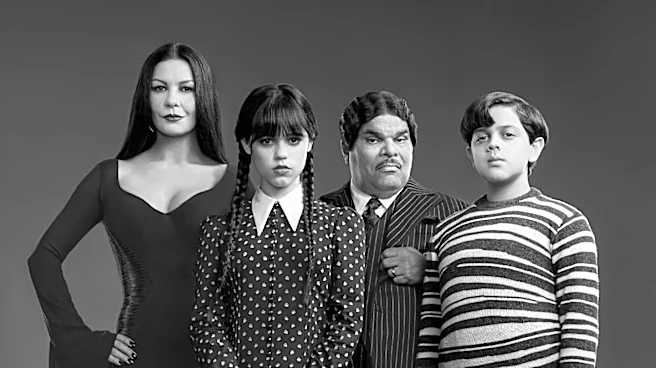








*The Addams Family*, the iconic 1964 black-and-white sitcom, brought to life a collection of characters that were anything but conventional. Based on Charles Addams's *New Yorker* cartoons, the series gave names, backstories, and a shared household to these previously unnamed figures, creating a world where the macabre was mundane and the bizarre was beautiful. The show's humor largely stemmed from the family's unique perspective on life, their unwavering
affection for each other, and their delightful bewilderment at the "normal" world. This exploration delves into the core of what made the Addams family so captivating and enduring.
The Heart of the Household: Gomez and Morticia
At the center of the Addams family was the passionately devoted couple, Gomez and Morticia. Gomez Addams, portrayed as wealthy and perpetually enthusiastic, was madly in love with his wife. Their relationship was a cornerstone of the show, characterized by intense romantic gestures and a shared appreciation for the darker aspects of life. Morticia, with her elegant demeanor and equally macabre interests, reciprocated Gomez's affections, creating a loving and stable, albeit unusual, home environment. Their children, Wednesday and Pugsley, inherited their parents' unique traits, contributing to the family's distinct identity.
Living at 0001 Cemetery Lane in an ornate, gloomy, Second Empire style mansion, the family's home was a character in itself. The theme song's lyric, "Their house is a museum," was vividly illustrated by the interior scenes, which featured a mix of collector's items and truly bizarre props. Examples included a mounted swordfish head with a human leg protruding from its mouth and a stuffed two-headed giant tortoise. These items, while strange to outsiders, were simply part of the Addamses' everyday decor, reflecting their unconventional tastes.
The Extended Family and Household Staff
Beyond the immediate family, the Addams household was populated by a memorable cast of supporting characters. The towering butler, Lurch, with his deep voice and imposing presence, served the family with unwavering loyalty. Perhaps the most unusual member of the staff was Thing, a disembodied hand that would appear from various wooden boxes strategically placed throughout the house, assisting the family with tasks and adding a touch of surreal humor. These characters, while often silent or communicating non-verbally, were integral to the show's comedic rhythm.
Other relatives frequently made appearances, further enriching the family's eccentric tapestry. Gomez's Cousin Itt, a short, entirely hair-covered figure who spoke in unintelligible squeaks, was a recurring favorite. Morticia's older sister Ophelia and her mother Grandma Frump also visited, bringing their own quirks to the already unusual household. These extended family members reinforced the idea of the Addamses as a close-knit unit, bound by shared interests and an acceptance of their own peculiar ways.
Culture Clash and Comedic Genius
Much of *The Addams Family*'s humor derived from the stark culture clash between the family and the rest of the world. The Addamses treated normal visitors with immense warmth and courtesy, even when these guests reacted with confusion, fear, or dismay at the house's decor or the sight of Lurch or Thing. The family genuinely ignored any bad intentions from visitors, who generally suffered no harm, often to the Addamses' own puzzlement.
The Addamses were consistently baffled by the horrified reactions to what they considered their own good-natured and perfectly normal behavior. They viewed "conventional" tastes with a generally tolerant suspicion, unable to comprehend why others didn't share their appreciation for the macabre. Almost invariably, visitors to the Addamses' mansion would leave and never return, providing a running gag that underscored the family's delightful isolation from mainstream society. This unique comedic approach, where the "monsters" were the most loving and well-adjusted, allowed the show to subtly comment on societal norms and conformity, making it a cleverly disguised commentary on postwar culture.