




The consolidation of the Cuban Revolution, spanning from 1959 to 1962, marked a profound ideological transformation for Fidel Castro and his provisional government. Initially, the revolution was generally liberal in nature, aiming for the reinstatement of the 1940 Constitution of Cuba and supporting the ideals of Jose Marti. However, a series of controversies and escalating tensions with the United States pushed Castro and the new government towards
an increasingly anti-capitalist, anti-American, and ultimately Marxist-Leninist stance. This period of radicalization culminated with the Cuban Missile Crisis in 1962, which solidified Castro's power and cooled much of the international opposition.
Early Ideological Ambiguity and Shifting Alliances
During the revolution itself, Fidel Castro's beliefs were a subject of historical debate. He was openly ambiguous about his ideological leanings at the time. Some historians argue that Castro was a communist from the outset with a long-term plan, while others contend he lacked strong ideological loyalties. For instance, Leslie Dewart stated there was no evidence to suggest Castro was ever a communist agent. Levine and Papasotiriou believed Castro held few convictions beyond a dislike for American imperialism. As evidence for his initial lack of communist leanings, some point to his friendly relations with the United States shortly after the revolution and his initial non-membership in the Cuban Communist Party during the early stages of his land reforms.
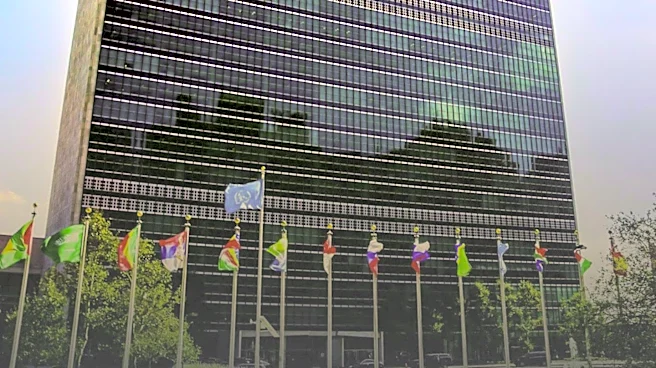
In April 1959, Castro visited the United States, invited by the American Society of Newspaper Editors, hoping to secure U.S. aid for Cuba. During this visit, he openly discussed plans to nationalize Cuban lands and declared Cuba's neutrality in the Cold War at the United Nations. He explicitly stated, "I know the world thinks of us, we are Communists, and of course I have said very clear that we are not Communists; very clear." He met with Vice President Richard Nixon, discussing developments in Cuba. While they disagreed on the timeliness of elections and economic plans, both agreed that Latin America needed American investment rather than weapons. Nixon's appraisal of Castro was mixed, noting his leadership qualities but also his perceived naivete about communism or being under communist discipline.
Escalating Tensions and the Embrace of Communism
As Castro's rule became more entrenched between 1959 and 1960, Cuba's relationship with the United States began to deteriorate. Tensions slowly escalated due to the nationalizations of various American companies, which led to retaliatory economic sanctions from the U.S. Counterrevolutionary bombing raids further exacerbated the situation. The political consolidation of Fidel Castro within the new Cuban government began in early 1959 with the appointment of communist officials and the removal of other revolutionaries who criticized these appointments. This trend intensified with the Huber Matos affair, leading to a situation where by mid-1960, little opposition to Castro remained within the government, and few independent institutions existed in Cuba.
By January 1961, the U.S. cut off diplomatic relations with Cuba, while the Soviet Union began to strengthen its ties with the island nation. The U.S. government, fearing growing Soviet influence, backed the Bay of Pigs Invasion in April 1961, which ultimately failed. This failed invasion likely reinforced Castro's fears of future U.S. intervention. By December 1961, Castro openly expressed his communist sympathies for the first time. His concerns about another invasion, coupled with his new Soviet allies, influenced his decision to allow nuclear missiles to be placed in Cuba, directly triggering the Cuban Missile Crisis. The resolution of this crisis included a U.S. promise not to invade Cuba in the future, leading to the withdrawal of U.S. support from anti-Castro rebels and effectively crippling the resource-starved resistance, known as the Escambray rebellion, which lasted until about 1965.
Historiographical Interpretations of Consolidation
Various historiographical interpretations exist regarding the political consolidation that occurred between 1959 and 1962. One perspective views these events as the beginning of the "militarization of Cuba," a long process of domestic militarization that climaxed in 1970. Another model, the "grassroots dictatorship," suggests that the removal of liberal rights after the revolution resulted from mass support and citizen deputization, driven by popular enthusiasm for national defense against American invasion. Conversely, the "betrayal thesis" posits that Fidel Castro's political consolidation represented a betrayal of the democratic aims of the Cuban Revolution against the Batista dictatorship.