




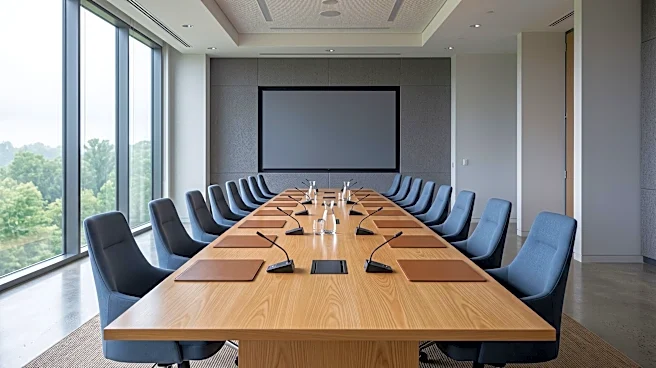


Learning spaces, whether indoor or outdoor, actual or virtual, are physical settings where teaching and learning occur. While educational activities are not solely determined by physical environments, there is substantial evidence linking school settings to the activities that take place within them. The design of these spaces profoundly impacts the learning process, making it crucial to consider various physical elements—from finishes and acoustics
to lighting, ventilation, and furniture—to create an optimal environment. These elements directly influence student comfort, health, and cognitive function, which are all essential for effective learning.
Environmental Factors: Acoustics, Light, and Air Quality
The finishes of walls, floors, ceilings, and furniture significantly affect a learning space's functionality, durability, and effectiveness. For instance, the reflectance of surfaces impacts light levels, glare, mood, and color rendition. Acoustics are particularly vital; research indicates that children require much quieter learning spaces with less reverberation than adults to understand spoken words. Even healthy listeners under 13 struggle more to distinguish verbal signals from background noise. Students with hearing loss, those learning a new language, or those with auditory or attention problems need even more favorable acoustics. Consequently, the American National Standards Institute (ANSI) has reduced acceptable background noise limits in classrooms to 35 dBA and 55 dBC.
Lighting is another critical component. For spaces without adequate natural light, artificial illumination must support effective learning. Lighting levels, type, color rendition, and fixture type are all important for different learning styles and activities. Classrooms with direct instruction need different illumination levels than those using computers. Task lighting may be necessary in science labs or vocational shops. Color rendition and temperature can affect student moods and project outcomes. Natural light, provided through windows, doors, or skylights, has a highly positive impact on academic performance and behavior when properly controlled. However, if not managed correctly, it can interfere with reading, viewing materials, or cause discomfort. Control methods include adjustable window coverings, exterior sunshades, and dimmable "smart glass." Views of nature from windows have also been shown to improve health and well-being, fostering improvements in learning and retention, and helping to restore focus after intense cognitive activity.
Appropriate ventilation is critical for occupant health, comfort, and cognitive functions. Studies have shown significant cognitive impairment from impurities in the air, such as volatile organic compounds (VOCs) or carbon dioxide. High impurity levels, not uncommon in some classrooms, can lead to cognitive deficits. Filtering air to reduce dust and pollen is also important to prevent allergic reactions. Thermal comfort, influenced by ambient temperature, air movement, and solar exposure, is equally vital for student comfort and, by extension, learning. Insulating windows, shaded windows, and careful placement of ventilation ducts all contribute to maintaining a comfortable temperature.
Furniture and Technology: Adapting to Modern Learning
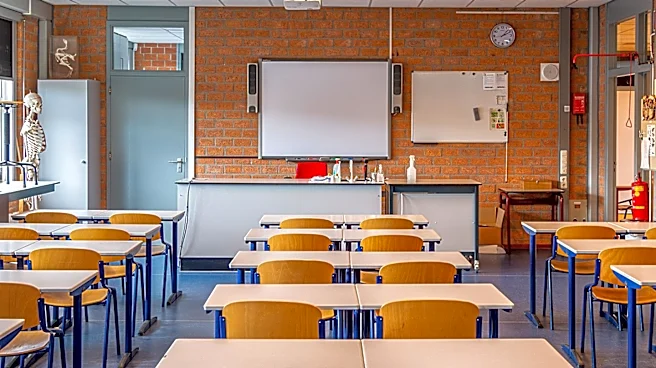
For learning spaces to be functional, appropriate furniture for students and instructors is essential. This furniture represents the most direct interaction occupants have with their space, and its configuration and ergonomics must align with the activities taking place. Historically, student desks and chairs were aligned in rows, often secured to the floor, supporting passive learning and direct instruction. However, modern active learning, collaboration, and project-based learning require flexible furniture arrangements that allow students to move and reconfigure their spaces. Instructors also need mobility to interact and guide students, moving away from a fixed lecture podium.
Awareness of personalization and differentiation in learning activities highlights the need for varied furniture types and configurations. Studies suggest that people, especially young students, need frequent movement. Personal technology, often handheld, also demands different postures and positions for sitting, standing, or relaxing. Chairs with tablet arms, for example, are not suitable for laptops, and handheld devices are often supported on laps. Mobile and personal technology is transforming how learning spaces are used, enabling learning—including research, collaboration, and presentation—to occur almost anywhere. This technology fosters personalization and a greater sense of ownership and relevance for students. Key technologies in modern learning spaces include projectors, interactive whiteboards, computers, document cameras, video conferencing, and Wi-Fi, moving beyond simple presentation tools to support actual research, generation, and publishing.