




Open water swimming has grown from a recreational activity to a recognized competitive sport with a significant presence on the global stage. Governed by World Aquatics, formerly known as FINA, open water swimming has been part of the Olympic Games since 2008. This article explores the journey of open water swimming from its early days to its current status as a competitive discipline.
Early Beginnings and Governance
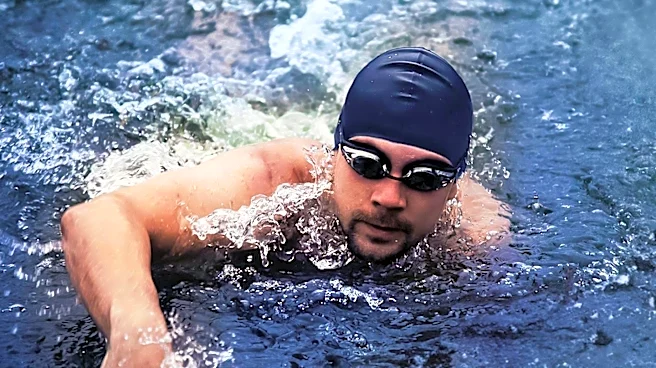
Open water swimming takes place in natural bodies of water such
as oceans, lakes, and rivers. Initially, it was a recreational activity enjoyed by many for its connection to nature and the challenge it presented. Over time, the need for organized competitions led to the establishment of governing bodies. The International Swimming Federation, now known as World Aquatics, took charge of regulating competitive open water swimming. This organization set the rules and standards for competitions, ensuring fair play and safety for all participants.
The inclusion of open water swimming in multi-sport events is governed by the World Triathlon, which oversees the sport when it is part of triathlons. This dual governance highlights the sport's versatility and its integration into various competitive formats.
Olympic Recognition and Championships
Open water swimming gained significant recognition when it was included in the Olympic Games in 2008. This milestone marked a turning point for the sport, elevating its status and attracting a wider audience. The Olympic inclusion also brought about increased media coverage and sponsorship opportunities, further boosting the sport's profile.
In addition to the Olympics, open water swimming has been a part of the FINA World Aquatics Championships since 1991. These championships provide a platform for the world's best swimmers to compete in various distances, showcasing their endurance and skill in natural water settings. The FINA World Open Water Swimming Championships, held bi-annually until 2010, further solidified the sport's competitive framework.
The Future of Open Water Swimming
As open water swimming continues to evolve, its future looks promising. The sport's inclusion in major international competitions has inspired a new generation of swimmers to take up the challenge. With advancements in training techniques and equipment, athletes are pushing the boundaries of what is possible in open water swimming.
The sport's appeal lies in its unique challenges, such as navigating unpredictable water conditions and maintaining endurance over long distances. As more people discover the thrill of open water swimming, the sport is likely to grow in popularity, attracting new talent and expanding its global reach. The continued support from governing bodies and the Olympic community will play a crucial role in shaping the future of open water swimming as a competitive sport.