


Nigeria is a country renowned for its cultural diversity, with over 250 ethnic groups contributing to a vibrant and dynamic society. This rich tapestry of cultures is reflected in the country's languages, traditions, and social structures. Understanding Nigeria's cultural landscape offers insights into the nation's identity and the complexities of its social fabric.
Major Ethnic Groups
The three largest ethnic groups in Nigeria are the Hausa, Yoruba, and Igbo, which together
account for more than 60% of the population. Each of these groups has its own distinct language, customs, and social systems. The Hausa, predominantly found in the northern regions, are known for their rich history and influence in trade and politics.
The Yoruba, primarily located in the southwestern part of Nigeria, have a strong cultural heritage that includes traditional art, music, and festivals. The Igbo, residing mainly in the southeastern regions, are recognized for their entrepreneurial spirit and vibrant cultural expressions. These major groups, along with numerous smaller ethnic communities, contribute to Nigeria's diverse cultural landscape.
Language and Religion
Nigeria's linguistic diversity is as vast as its ethnic composition, with English serving as the official language. However, many Nigerians speak their native languages, such as Hausa, Yoruba, and Igbo, in daily life. This multilingual environment reflects the country's cultural richness and the importance of language in maintaining ethnic identity.
Religion also plays a significant role in Nigerian society, with Islam and Christianity being the dominant faiths. The northern regions are predominantly Muslim, while the south is mainly Christian. This religious diversity is a testament to Nigeria's pluralistic society, where different beliefs coexist and shape the nation's cultural and social dynamics.
Cultural Practices and Traditions
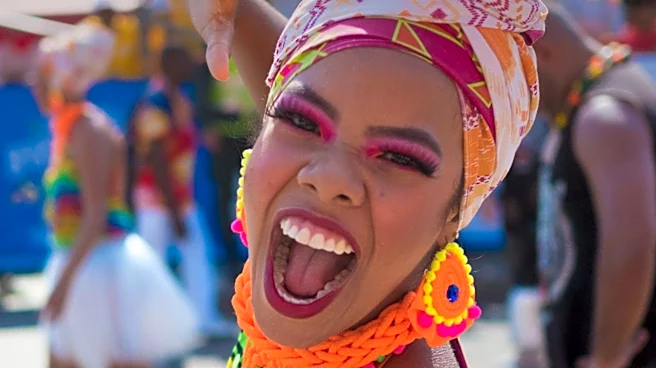
Nigeria's cultural practices are deeply rooted in its ethnic traditions, with each group having its own unique customs and rituals. Festivals, music, and dance are integral parts of Nigerian culture, serving as expressions of identity and community. Traditional ceremonies, such as weddings and naming rituals, are celebrated with great enthusiasm and are often marked by colorful attire and lively performances.
The influence of colonial history is also evident in Nigeria's culture, with British colonial rule introducing Western education and Christianity to the country. This blend of traditional and modern influences creates a unique cultural landscape that continues to evolve.
Nigeria's cultural diversity is a source of strength and pride, reflecting the country's rich history and the resilience of its people. As Nigeria continues to grow and develop, its cultural heritage remains a vital part of its national identity, offering a window into the past and a foundation for the future.