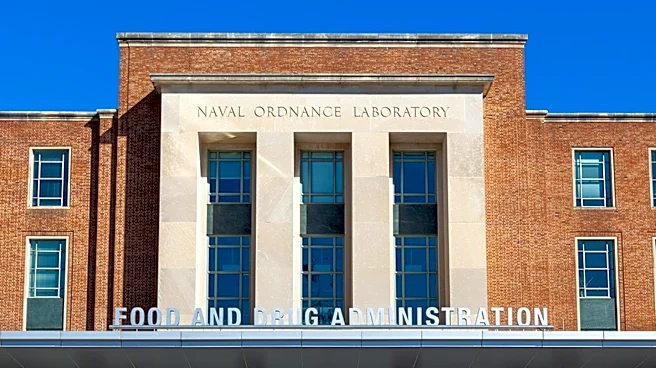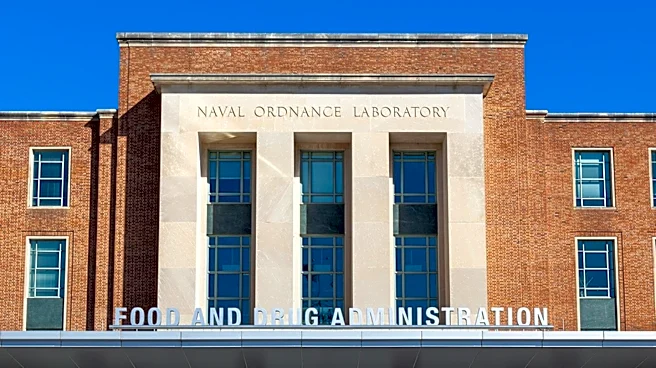







The Food and Drug Administration (FDA) is a federal agency of the United States Department of Health and Human Services with a remarkably broad mandate. While commonly known for its role in food safety and drug approval, the FDA's responsibilities extend far beyond these core areas, encompassing a vast array of products and services that impact the daily lives of American citizens. This extensive oversight is crucial for protecting and promoting public
health, ensuring that everything from the food we eat to the medical devices we rely on meets rigorous safety and efficacy standards.
Comprehensive Product Regulation
The FDA's primary function is to enforce the Federal Food, Drug, and Cosmetic Act (FD&C), but its regulatory reach is significantly wider. The agency is responsible for the control and supervision of food safety, ensuring that the food supply is safe, wholesome, and properly labeled. This includes not only human food but also animal food and veterinary products, recognizing the interconnectedness of health across species. Beyond food, the FDA regulates tobacco products and dietary supplements, addressing concerns related to their safety and marketing.
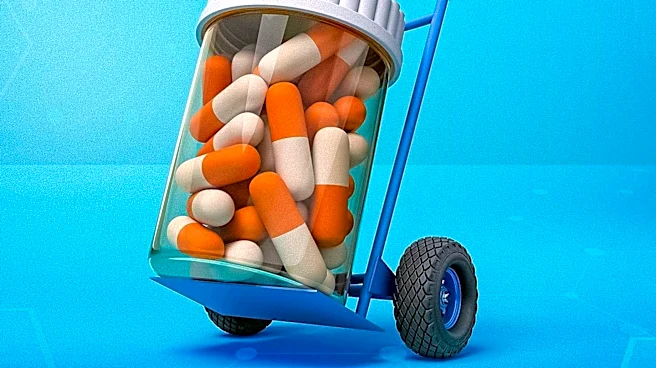
In the pharmaceutical realm, the FDA oversees both prescription and over-the-counter medications, vaccines, and biopharmaceutical products. This involves a stringent approval process to ensure these products are safe and effective before they can be marketed in the United States. The agency also regulates blood transfusions, medical devices, and even electromagnetic radiation-emitting devices, such as lasers and cell phones, highlighting its commitment to public safety in an increasingly technological world.
Beyond Food and Drugs: Unexpected Areas of Oversight
While the name "Food and Drug Administration" might suggest a limited scope, the agency's actual responsibilities delve into less obvious but equally critical areas. For instance, the FDA regulates cosmetics, ensuring that these products are safe for consumer use. This oversight helps prevent harmful ingredients or misleading claims in a market that directly interacts with personal health and appearance.
Furthermore, the FDA's enforcement work extends to areas not directly related to food or medicine, such as disease control. This includes regulating contexts ranging from domestic animals to human sperm donated for use in assisted procreation. Such diverse responsibilities underscore the agency's role as a comprehensive guardian of public health, addressing potential risks wherever they may arise in products and services that affect human well-being.
The Authority to Authorize and the Limits of Recall
One of the FDA's most significant powers is its authority to authorize or prohibit the marketing of medications in the United States. This power is central to its mission of ensuring product safety and efficacy. However, it's important to note that while the FDA can prevent a product from entering the market, its authority to mandate a recall of a product already on the market is more nuanced. The agency can invite a company to voluntarily withdraw an offending product, but it does not have the direct authority to compel a recall.
This distinction highlights the collaborative, yet firm, nature of the FDA's regulatory approach. Despite this limitation on mandatory recalls, the agency's comprehensive oversight, from pre-market approval to post-market surveillance, ensures a robust framework for protecting public health across a vast and varied landscape of products and services.