






Lithium-ion batteries have become a cornerstone of modern technology, powering everything from smartphones to electric vehicles. Their development is a story of scientific innovation and commercial breakthroughs. This article explores the key milestones in the evolution of lithium-ion batteries, from early research to their widespread adoption in consumer electronics and beyond.
Early Research and Breakthroughs
The journey of lithium-ion batteries began in the 1970s with the work
of M. Stanley Whittingham, who first used titanium disulfide as a cathode material. This material could intercalate lithium ions without significant changes to its structure, laying the groundwork for future developments. However, the early batteries faced challenges, including safety concerns due to the use of metallic lithium, which was prone to dendrite formation and short-circuiting.
In the 1980s, John B. Goodenough and his team made a significant breakthrough by replacing titanium disulfide with lithium cobalt oxide, which offered higher voltage and stability. This advancement addressed some of the safety issues and increased the energy density of the batteries. Meanwhile, Akira Yoshino's work on using petroleum coke as an anode material further improved the safety and efficiency of lithium-ion batteries.
Commercialization and Advancements
The first commercial lithium-ion battery was introduced by Sony in 1991, using Yoshino's design. This marked a turning point, as the batteries were safer and more efficient than their predecessors. The 1990s saw significant improvements in energy density, with the transition from soft carbon to hard carbon and eventually to graphite anodes.
These advancements made lithium-ion batteries more suitable for consumer electronics, leading to their widespread adoption in devices like laptops and mobile phones. The technology continued to evolve, with researchers focusing on increasing the energy density and reducing costs, which dropped tenfold over the decades.
Modern Applications and Future Prospects
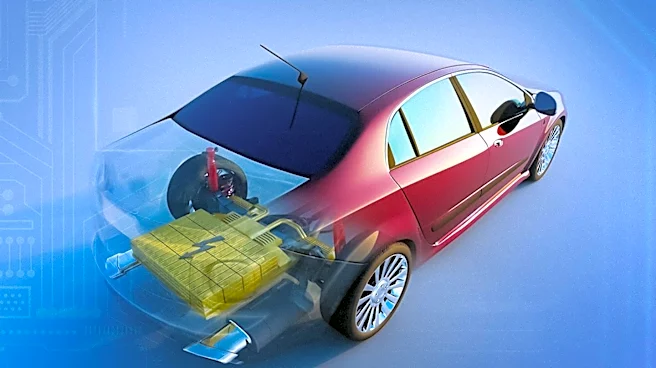
Today, lithium-ion batteries are integral to various applications, including electric vehicles, grid energy storage, and portable electronics. The global demand for these batteries has surged, with production capacity exceeding 1 terawatt-hour per year by 2024. This growth is driven by the need for sustainable energy solutions and the electrification of transportation.
Looking ahead, research continues to focus on improving the safety, efficiency, and environmental impact of lithium-ion batteries. Innovations such as solid-state batteries and alternative chemistries hold promise for the future, potentially addressing current limitations and expanding the applications of this transformative technology.