







The Intelligence Identities Protection Act (IIPA) of 1982 was a pivotal piece of legislation in the realm of U.S. intelligence operations. Enacted in response to a series of events that exposed the identities of covert agents, the Act aimed to protect those working in secret for national security. This article delves into the historical context that led to the creation of the IIPA and examines its impact on intelligence activities in the United States.
Historical Context and Catalysts
The assassination of CIA officer Richard Welch in 1975 was a significant catalyst for the Intelligence Identities Protection Act. Welch, who was serving as the Chief of Station in Athens, Greece, was murdered by the Revolutionary Organization 17 November after his identity was revealed by the magazine CounterSpy. This tragic event highlighted the dangers faced by covert agents and underscored the need for legal protection against unauthorized disclosures of their identities.
Another major impetus for the Act was the activities of ex-CIA case officer Philip Agee. During the 1960s and 1970s, Agee published works that exposed the identities of numerous CIA agents, causing significant harm to U.S. intelligence operations. His actions were seen as a direct threat to national security, prompting Congress to take legislative action to prevent similar occurrences in the future.
Legislative Journey and Enactment
The Intelligence Identities Protection Act was introduced in the House by Edward Boland in January 1981. It underwent extensive legislative scrutiny, with debates focusing on the balance between national security and freedom of speech. The Act passed the House and Senate with overwhelming support, despite opposition from some members who feared it might infringe on constitutional rights.
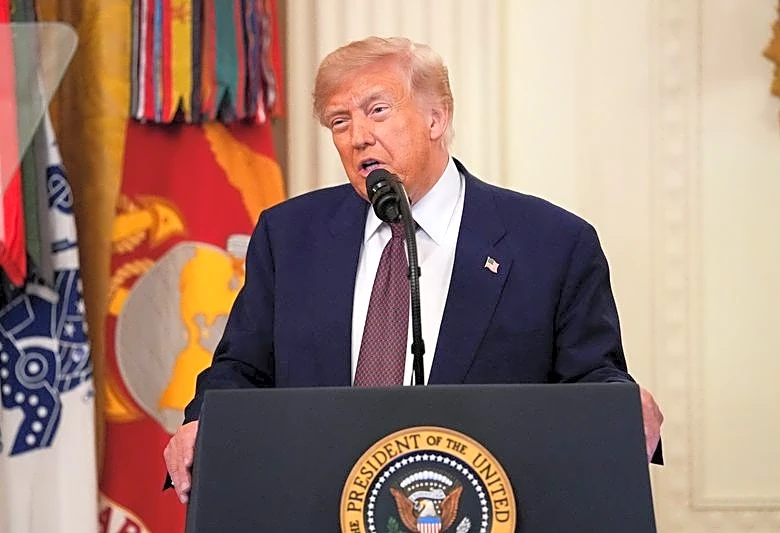
President Ronald Reagan signed the Act into law on June 23, 1982. The law made it a federal crime to intentionally reveal the identity of covert agents, unless the U.S. government had publicly acknowledged their roles. This legal framework aimed to deter individuals from exposing agents and to safeguard the integrity of intelligence operations.
Impact and Implications
Since its enactment, the Intelligence Identities Protection Act has played a crucial role in protecting U.S. intelligence personnel. It has been invoked in several high-profile cases, including the prosecution of Sharon Scranage and John Kiriakou, both of whom were charged under the Act for disclosing the identities of covert agents.
The Act has also sparked debates about its implications for freedom of speech and the press. Critics argue that it could potentially stifle public debate on foreign policy and intelligence activities. However, supporters maintain that the Act is essential for national security, ensuring that those who serve in covert roles are shielded from undue risk.