


The 1970s was a decade marked by a diverse array of fashion trends that reflected the social and cultural shifts of the time. From the rise of disco to the influence of the hippie movement, fashion in the 1970s was characterized by bold styles and a focus on individuality. This article explores the evolution of key fashion trends during this vibrant decade, highlighting how they mirrored the changing attitudes and lifestyles of the era.
The Rise of Disco Fashion
Disco fashion
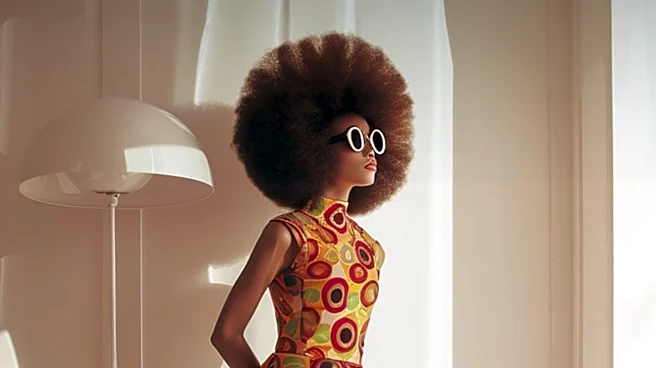
emerged as a dominant trend in the 1970s, driven by the popularity of disco music and nightlife. This style was characterized by glamorous and extravagant clothing, often featuring shiny fabrics, sequins, and bold colors. The disco look was all about making a statement on the dance floor, with outfits designed to catch the light and enhance movement. Platform shoes, flared pants, and form-fitting tops were staples of disco fashion, allowing wearers to express their individuality and confidence.
The influence of disco extended beyond the dance floor, impacting mainstream fashion as well. Designers began incorporating disco elements into their collections, making the style accessible to a wider audience. This trend was not just about clothing; it also included accessories like oversized sunglasses and bold jewelry, which became essential components of the disco look.
The Hippie Influence
While disco fashion was all about glitz and glamour, the hippie movement brought a more laid-back and natural aesthetic to the 1970s fashion scene. Rooted in the counterculture of the 1960s, hippie fashion emphasized comfort and simplicity, often featuring natural fibers and earthy tones. Bell-bottom jeans, peasant blouses, and flowing maxi dresses were popular among those who embraced this style.
The hippie influence also extended to hairstyles and accessories. Long, natural hair was favored, often adorned with headbands or flowers. Jewelry was typically handmade, with a focus on natural materials like wood and beads. This trend reflected a desire to connect with nature and reject the materialism of mainstream society.
The Impact of Feminism on Fashion
The 1970s was a pivotal decade for the women's movement, and this had a significant impact on fashion. As women sought greater equality and independence, their clothing choices began to reflect these aspirations. The decade saw the rise of more practical and comfortable clothing, such as pantsuits and wrap dresses, which allowed women to move freely and confidently in both professional and social settings.
Designers like Diane von Fürstenberg played a crucial role in this shift, creating garments that were both stylish and functional. The wrap dress, in particular, became a symbol of empowerment, offering a versatile and flattering option for women of all shapes and sizes. This trend towards more practical fashion was a reflection of the changing roles of women in society and their growing influence in the fashion industry.