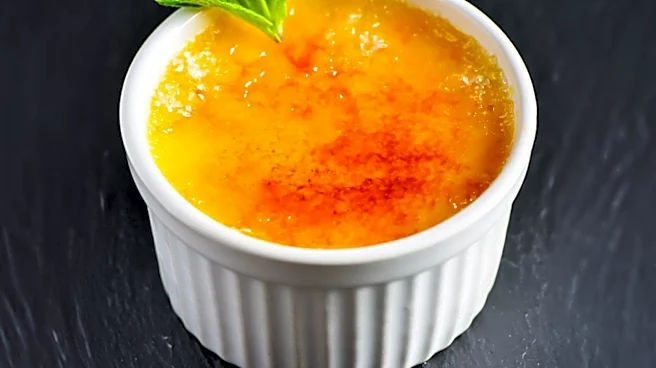







Crème brûlée, a dessert celebrated for its rich custard base and crisp caramelized sugar topping, boasts a history as layered as its texture. While its exact origins remain a subject of culinary debate, its presence in European kitchens dates back centuries, evolving through various names and preparations. This beloved sweet treat, known also as burnt cream or Trinity cream, has traversed national borders and culinary traditions, leaving its mark
from French royal courts to English university dining halls and beyond. Its enduring appeal lies not only in its delightful taste but also in the fascinating story of its development, marked by influential chefs and changing culinary techniques.
Early Culinary Mentions and French Roots
The earliest known recipe for a dessert explicitly called crème brûlée appears in François Massialot's 1691 cookbook, *Cuisinier royal et bourgeois*. This seminal work provides a detailed account of the dessert, outlining a preparation based on egg yolks and milk, with a touch of flour. Massialot, a chef to Philippe d'Orléans, specified a crucial step: after cooking, the cream needed to be generously sweetened on top, in addition to the sugar already incorporated within. He instructed cooks to take a very hot shovel from the fire and use it to