




The Washington Redskins trademark dispute is a significant legal battle that highlights the complexities of trademark law and cultural sensitivity. This dispute centers around the use of the term "Redskins," which many consider a racial slur against Native Americans. The legal journey began in the early 1990s and has seen various twists and turns, culminating in a landmark decision that affected the team's branding and identity.
The Origins of the Dispute
The trademark dispute
began in 1992 when Suzan Shown Harjo and six other Native American leaders filed a petition with the U.S. Patent and Trademark Office (USPTO) to cancel the trademark registrations owned by the Washington Redskins. They argued that the term "Redskins" was disparaging to Native Americans and thus violated federal trademark law, which prohibits the registration of disparaging marks. The case, known as Harjo v. Pro-Football, Inc., resulted in the cancellation of the trademarks in 1999. However, the decision was later reversed by a district court due to insufficient evidence of disparagement and the doctrine of laches, which argued that the plaintiffs had waited too long to assert their rights.
The Blackhorse Case
In 2013, a new group of younger Native American plaintiffs, led by Amanda Blackhorse, filed a similar case against the Washington Redskins. This case, Blackhorse v. Pro-Football, Inc., aimed to overcome the laches defense that had hindered the Harjo case. In 2014, the Trademark Trial and Appeal Board (TTAB) ruled in favor of the plaintiffs, canceling the team's trademarks once again. The TTAB found that the term "Redskins" was indeed disparaging to a substantial composite of Native Americans, as evidenced by the decline in its usage as a reference to Native Americans since the 1960s.
Legal and Cultural Implications
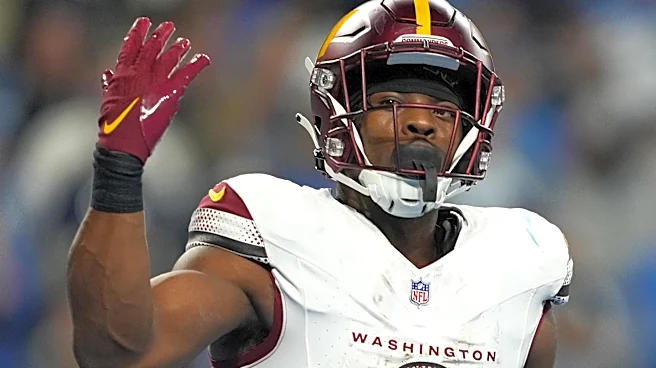
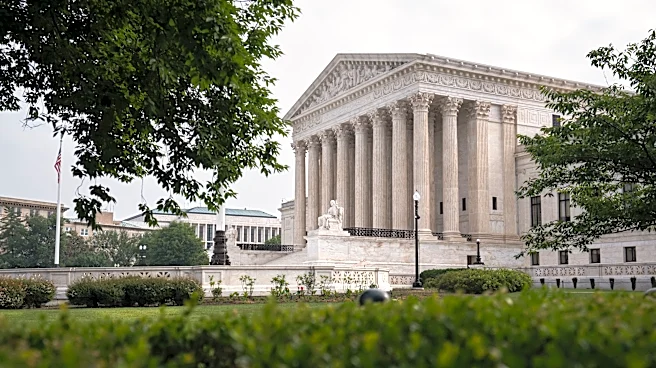
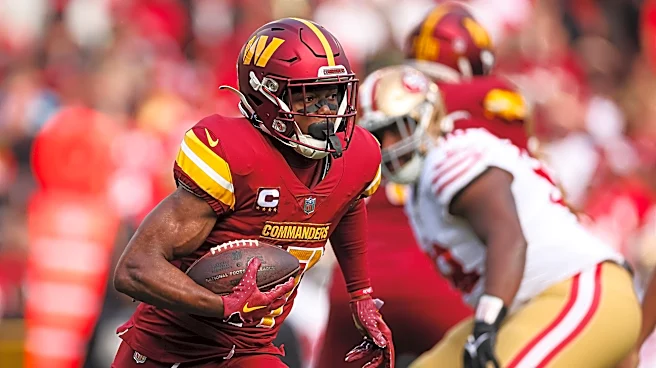
The Blackhorse decision had significant legal and cultural implications. Legally, it challenged the team's ability to maintain exclusive rights to the Redskins name, affecting their branding and merchandising. Culturally, it reignited the debate over the use of Native American imagery and names in sports. The case also highlighted the tension between trademark law and the First Amendment, as the team argued that canceling the trademarks infringed on their right to free expression. Ultimately, the legal battle became moot when the Supreme Court ruled in a separate case that the disparagement clause of the Lanham Act was unconstitutional. Despite this, the Washington team eventually changed its name to the Washington Commanders in 2022, reflecting a shift in societal attitudes towards cultural sensitivity and respect for Native American communities.