






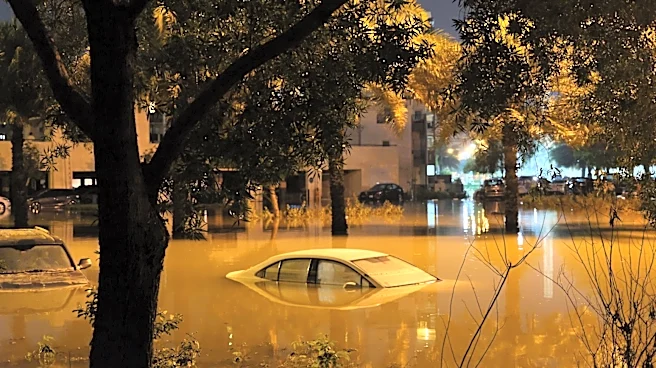

Hurricane Charley was a formidable force in the 2004 Atlantic hurricane season, leaving a trail of destruction in its wake. As a Category 4 hurricane, Charley was notable for its speed and intensity, impacting several regions with devastating effects. This article provides a chronological overview of Hurricane Charley's path, highlighting key moments and the resulting impact on affected areas.
Formation and Early Path
Hurricane Charley began as a tropical wave in the Atlantic
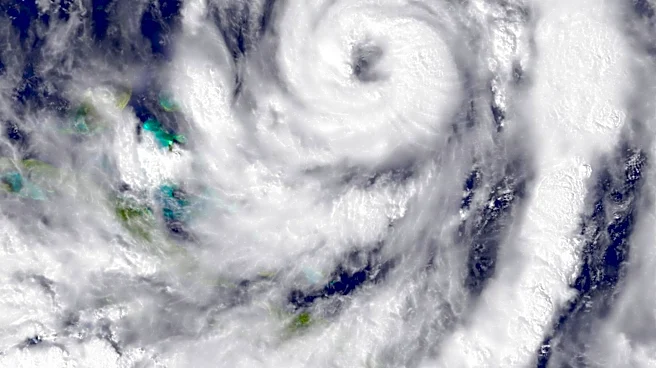
Ocean, gradually gaining strength as it moved westward. By August 9, 2004, it had developed into a tropical storm, and within days, it intensified into a hurricane. Charley's path took it northward, skirting the western edge of the Florida Keys, where it produced moderate winds and caused power outages from Marathon to Key West.
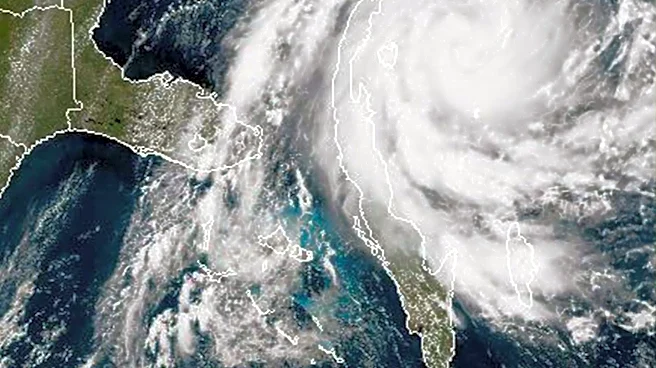
As Charley approached the Florida coast, it rapidly intensified, reaching Category 4 status. On August 13, it made landfall near Cayo Costa, Florida, with peak winds of 150 mph. The hurricane's small size and rapid movement limited rainfall but did not diminish its destructive power, as evidenced by the severe damage it caused upon landfall.
Impact on Florida
Charley's landfall in Florida was marked by significant destruction. The storm surge and high winds caused extensive damage to homes and infrastructure, particularly on Captiva Island and in Charlotte County. In Punta Gorda, where Charley made landfall, wind speeds reached up to 111 mph, causing widespread damage to buildings and critical facilities.
The hurricane's path continued across the Florida peninsula, affecting inland areas like Arcadia and Hardee County. In Arcadia, 95% of buildings in the downtown area were damaged, and the only shelter had its roof torn open. Hardee County experienced $750 million in property damage, with thousands of homes damaged or destroyed.
Aftermath and Recovery
In the wake of Hurricane Charley, Florida faced a long and challenging recovery process. The storm caused $14.6 billion in property damage on the peninsula, with significant impacts on agriculture and infrastructure. Power outages affected millions, with some areas remaining without electricity for weeks.
Despite the devastation, the response and recovery efforts showcased the resilience of Florida's communities. Residents and officials worked tirelessly to rebuild and restore normalcy, even as they faced the economic and emotional toll of the disaster. Charley's impact served as a stark reminder of the power of nature and the importance of preparedness in the face of such formidable storms.
Hurricane Charley's timeline of destruction highlights the swift and severe impact of a major hurricane, underscoring the need for vigilance and resilience in hurricane-prone regions.