





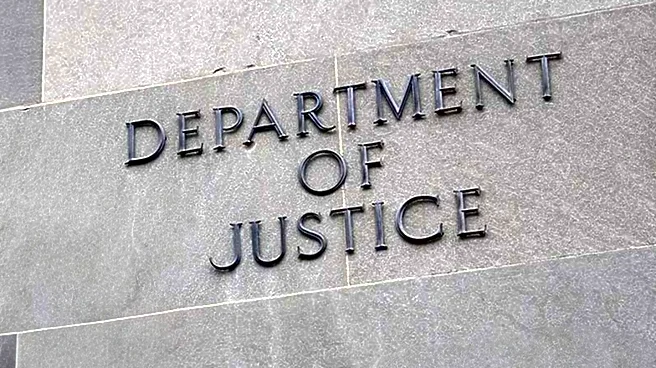

The Watergate scandal is a landmark case in the history of journalism, showcasing the power of the press in holding the government accountable. The investigative work of journalists Bob Woodward and Carl Bernstein was instrumental in uncovering the truth behind the scandal, leading to significant political consequences. This article explores how journalism played a pivotal role in exposing the Watergate scandal.
The Washington Post's Investigation
The Washington Post's coverage of the
Watergate scandal began shortly after the break-in at the Democratic National Committee headquarters in 1972. Reporters Bob Woodward and Carl Bernstein were assigned to the story, and their relentless pursuit of the truth became a defining feature of the investigation. They followed leads, conducted interviews, and pieced together a complex narrative of political espionage and cover-ups.
A key element of their investigation was the guidance of a confidential source known as "Deep Throat." This source provided crucial information that helped Woodward and Bernstein connect the break-in to the Nixon administration. Their reporting raised public awareness and put pressure on the government to investigate further, ultimately leading to the formation of the Senate Watergate Committee.
Impact on Public Perception
The work of Woodward and Bernstein had a profound impact on public perception of the Nixon administration. Their articles exposed the extent of the cover-up and the illegal activities conducted by the president's aides. As more details emerged, public trust in the government eroded, and calls for accountability grew louder.
The Washington Post's coverage also highlighted the importance of a free press in a democratic society. It demonstrated how journalism could serve as a check on power, ensuring that government officials are held accountable for their actions. The Watergate scandal became a symbol of the press's role in safeguarding democracy.
Legacy of Investigative Journalism
The Watergate scandal set a new standard for investigative journalism, inspiring future generations of reporters to pursue stories with tenacity and integrity. It underscored the importance of thorough research, fact-checking, and the courage to challenge authority. The scandal also led to reforms in journalism, emphasizing the need for ethical standards and the protection of sources.
In the years following Watergate, the role of journalism in uncovering corruption and holding power to account has remained vital. The legacy of Woodward and Bernstein's work continues to influence the field, reminding journalists of their responsibility to seek the truth and inform the public.