



The boxing match between Ezzard Charles and Joe Louis on September 27, 1950, was more than just a fight for the undisputed heavyweight championship; it was a pivotal moment shaped by financial necessity and a shifting landscape in the sport. Louis, a legendary figure who had retired in 1949 after an unprecedented 25 consecutive title defenses, was compelled to return to the ring due to a substantial debt to the IRS. Charles, meanwhile, held a version
of the heavyweight title, though his claim wasn't universally recognized, setting the stage for a contest with high stakes for both men.
Louis's Return Driven by IRS Debt
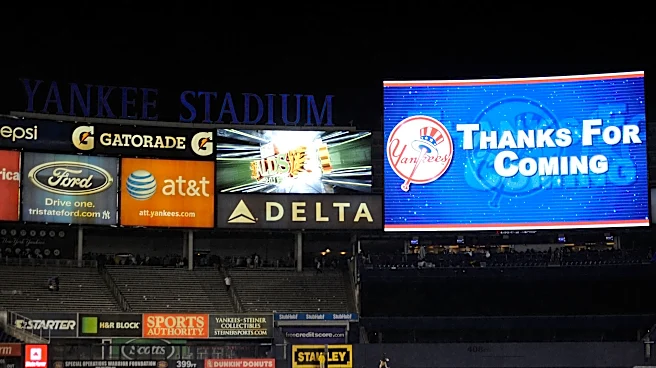
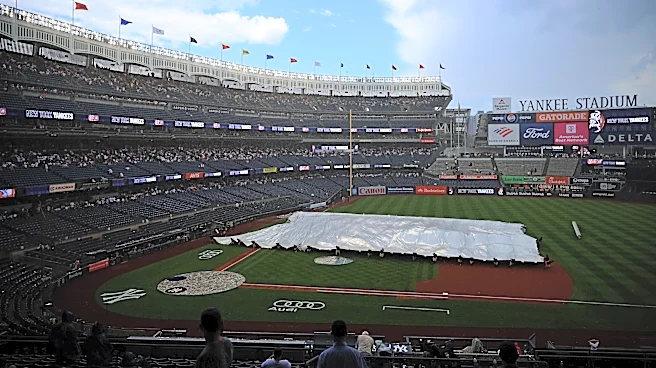
Joe Louis, known as "The Brown Bomber," had announced his retirement from boxing on March 1, 1949, after a remarkable career. However, by May 1950, an audit by the IRS revealed that the former champion owed the government over $500,000 in past tax returns. This staggering debt forced Louis to reconsider his retirement. To address his financial woes, Louis struck a deal to come out of retirement, leading to the signing of the contract to face Ezzard Charles on August 18, 1950. The fight was scheduled to take place at Yankee Stadium, a venue befitting such a high-profile encounter.
Louis's decision to return was purely pragmatic, driven by the need to settle his tax obligations. Despite being 36 years old at the time of the fight, Louis expressed confidence, telling reporters en route to his training camp in Pompton Lakes, New Jersey, that he believed he was "better now than at any time since the war." He acknowledged Charles's skill, stating, "He may not look good but he's definitely a good fighter and he punches pretty fair."
Charles's Disputed Title Reign
Following Louis's initial retirement, the National Boxing Association (NBA) moved quickly to sanction a bout for its vacant heavyweight title between top contenders Jersey Joe Walcott and Ezzard Charles. Charles, nicknamed "The Cincinnati Cobra," emerged victorious, defeating Walcott on points to claim the NBA title. However, his status as the undisputed heavyweight champion was not universally accepted. Several prominent organizations, including the New York State Athletic Commission (NYSAC) and The Ring magazine, did not recognize Charles as the legitimate heavyweight champion.
This lack of universal recognition meant that Charles, despite holding a major title, still had something significant to prove. A victory over the returning Joe Louis, even a Louis past his prime, would solidify his claim to the undisputed championship and silence any doubters. The fight thus represented an opportunity for Charles to unify the fragmented heavyweight title and establish himself unequivocally at the top of the division.
Tale of the Tape and Pre-Fight Expectations
The pre-fight statistics highlighted the differences between the two boxers. Ezzard Charles, at 29 years and 2 months old, was significantly younger than Joe Louis, who was 36 years and 4 months. Charles also had a more active recent record, standing at 66 wins, 5 losses, and 1 draw with 39 knockouts, compared to Louis's 58 wins and 1 loss with 49 knockouts. In terms of physical stature, Louis was slightly taller at 6 ft 1½ in compared to Charles's 6 ft 0 in, and heavier, weighing in at 218 lb against Charles's 184½ lb. Both fighters employed an Orthodox style.
Despite Charles holding the NBA Heavyweight Championship and being ranked No. 1 by The Ring, Louis was still considered the favorite. He was a 2 to 1 betting favorite, and even fellow former champion Gene Tunney publicly backed Louis, predicting a knockout victory within five rounds. Tunney went as far as to say, "If Jack Dempsey is not the greatest fighter who ever lived, then Joe Louis is." This sentiment underscored the enduring legacy and public perception of Louis, even as he stepped back into the ring after a period of retirement, facing a younger, reigning champion.