



John L. Lewis was a formidable strategist whose leadership profoundly impacted the American labor movement. His career, spanning from his early days as a coal miner to his decades-long presidency of the United Mine Workers of America (UMW) and his role in founding the Congress of Industrial Organizations (CIO), was marked by calculated decisions and a clear vision for the power of organized labor. Lewis's strategic acumen allowed him to navigate complex
political and industrial landscapes, secure gains for workers, and fundamentally reshape unionism in the United States.
Centralization and Industrial Unionism
One of Lewis's key strategic moves as president of the UMW, a position he held from 1920 to 1960, was to place local unions under centralized leadership. This approach aimed to consolidate power and ensure a unified front in negotiations and disputes. By centralizing control, Lewis could direct the union's resources and actions more effectively, enhancing its bargaining power against powerful industrial owners. This was a significant departure from more fragmented union structures and contributed to the UMW's strength and influence as the largest and most influential trade union in the United States during his early tenure.Furthermore, Lewis was a staunch advocate for industrial unionism. This principle, which called for organizing all workers within a given industry regardless of their specific trade or skill, was a strategic response to the rise of mass production industries. He recognized that traditional craft unions were ill-equipped to organize the vast numbers of semi-skilled and unskilled workers in sectors like steel and automotive. His commitment to industrial unionism was a foundational element in the creation of the CIO, which he led as its first president from 1935 to 1940, specifically to organize these previously unrepresented industrial workers.
Leveraging Political Opportunities and Membership Drives
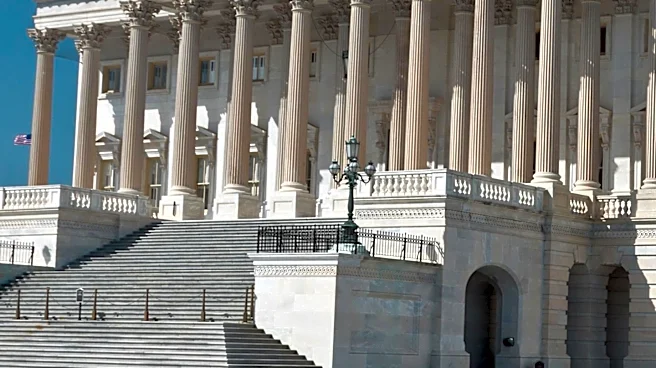
Lewis demonstrated a keen ability to seize political opportunities to advance labor's cause. In 1933, he was appointed to the Labor Advisory Board and the National Labor Board of the National Recovery Administration. He strategically utilized these governmental positions to achieve tangible benefits for miners, specifically by raising wages and reducing competition within the industry. This demonstrated his capacity to work within existing political frameworks to achieve union objectives.His strategic brilliance was also evident in his massive membership drive for the UMW, which he launched by cleverly associating the union with President Franklin D. Roosevelt's popularity. The slogan, "The President wants you to join the UMW!" proved highly effective. Lewis understood the diverse ethnic makeup of coal miners and their shared faith in Roosevelt. He carefully avoided antagonizing any immigrant ethnic groups and made direct appeals to African-American members, showcasing his understanding of demographic dynamics and his ability to build broad-based support for the union.