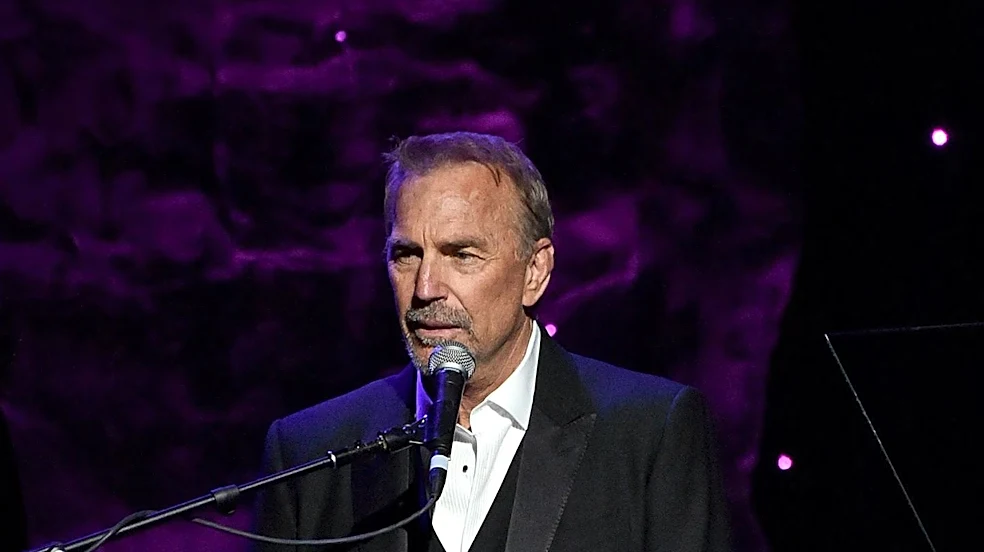









"Dances With Wolves," the 1990 American epic revisionist Western film, marked a significant moment in cinematic history, not only for its critical and commercial success but also for its credited role in revitalizing the Western genre in Hollywood. Directed and produced by Kevin Costner, who also starred in the film, it premiered at the Uptown Theater in Washington, D.C., on October 19, 1990, before its wider release in the United States on November
9. The film was an adaptation of Michael Blake's 1988 novel of the same name, with Blake also penning the screenplay.
Upon its release, "Dances With Wolves" garnered widespread positive reviews from both critics and audiences. Praise was directed at various aspects of the production, including Costner's direction, the performances of the ensemble cast (which featured Mary McDonnell, Graham Greene, and Rodney Grant), the screenplay, the musical score, the cinematography, and the overall production values. This critical acclaim translated into substantial recognition, as the film received twelve nominations at the 63rd Academy Awards, ultimately winning seven. These prestigious awards included Best Picture, Best Director for Kevin Costner, Best Adapted Screenplay, Best Film Editing, Best Cinematography, and Best Original Score.
Commercial Success and Industry Impact
Beyond its critical accolades, "Dances With Wolves" was a remarkable commercial success. It grossed an impressive $424.2 million worldwide, making it the fourth-highest-grossing film of 1990. This financial achievement was particularly significant for Orion Pictures, as it became their highest-grossing film to date. Furthermore, it held the distinction of being the highest-grossing independent film at that time, demonstrating the potential for films outside major studio systems to achieve massive popular appeal.
The film's success is widely credited with sparking a renewed interest in the Western genre, which had seen a decline in popularity in the years leading up to its release. Its revisionist approach, offering a more nuanced portrayal of Native American cultures and the American frontier, resonated with audiences and critics alike, paving the way for other Westerns to explore similar themes. This revitalization cemented its place as a culturally significant work.
Lasting Legacy and Preservation
In recognition of its profound cultural, historical, and aesthetic significance, "Dances With Wolves" was selected for preservation in the United States National Film Registry by the Library of Congress in 2007. This honor ensures that the film will be preserved for future generations, acknowledging its enduring impact on American cinema and culture. The film's narrative, which follows Union army Lieutenant John J. Dunbar's journey to the American frontier and his eventual integration with a group of Lakota, offered a perspective that challenged traditional Western tropes.
The film's influence extended beyond its initial release, with many viewers expressing a desire for a sequel. While a sequel novel, "The Holy Road," was published by Michael Blake in 2001, and a film adaptation was considered, Kevin Costner stated in a 2008 interview that he would "never make a sequel." Despite this, the original film's comprehensive storytelling and powerful themes continue to captivate audiences, solidifying its status as a timeless classic.