



The push press is a weightlifting exercise that involves pressing a barbell or other weight overhead, distinguishing itself from similar movements through the crucial involvement of the legs. This dynamic exercise is a staple in many training regimens, offering a powerful way to lift significant weight overhead by leveraging momentum generated from the lower body. Understanding its execution, variations, and the specific benefits it offers can help
individuals incorporate it effectively into their fitness routines.
Execution and Mechanics of the Push Press
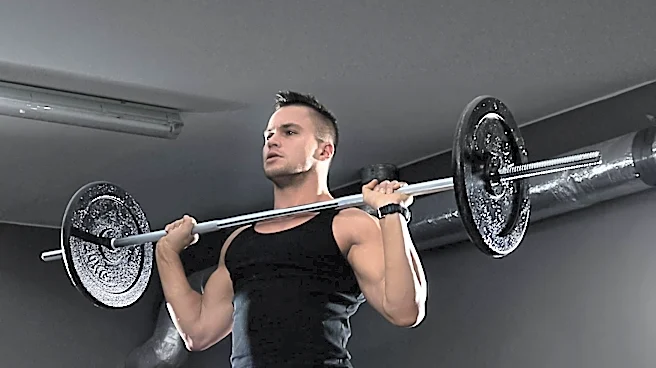
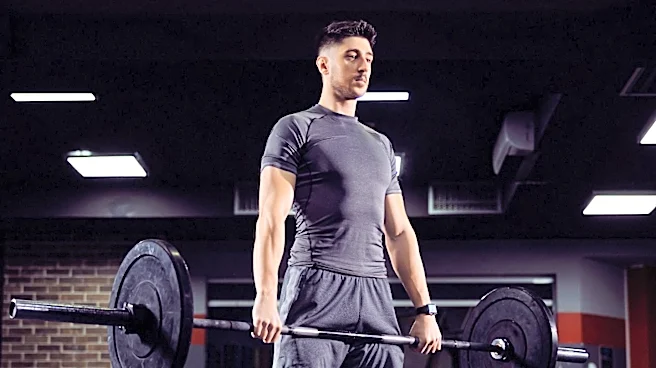
The fundamental execution of the push press begins with the bar held just above chest height, similar to a military press. However, the key difference lies in the initiation of the movement. Instead of relying solely on upper body strength, the push press starts with a 'push' from the legs. This leg drive creates initial momentum, assisting in the upward movement of the weight overhead.
Once the weight is pushed upwards, it is then slowly lowered back to the chest. As the bar returns to the starting position, the legs are slightly bent again, preparing for the next repetition. This controlled lowering phase is important for maintaining proper form and muscle engagement. In situations where the weight being lifted is exceptionally heavy, and lowering it slowly might pose a safety risk, the weight can be dropped from the overhead position onto padded flooring, if available.
Variations for Enhanced Training
The push press offers several variations that can be utilized to target different muscle groups or to address specific training goals. One such variation involves performing the push press from behind the neck. While this can be an option, it is sometimes not recommended due to an increased risk of injury, highlighting the importance of proper form and caution.
Another significant variation is the one-handed push press. This unilateral exercise can be particularly beneficial for increasing core strength. The uncentered weight requires extra effort from the core muscles to stabilize the body throughout the movement. Furthermore, like other forms of unilateral work, one-handed push presses can help to reduce muscle imbalances. For instance, if a person's right side performs 55% of the work and the left side 45% in a two-handed push press, working each side individually with the same weight can ensure equal effort, thereby helping to correct excessive strength imbalances.
Equipment and Muscle Engagement
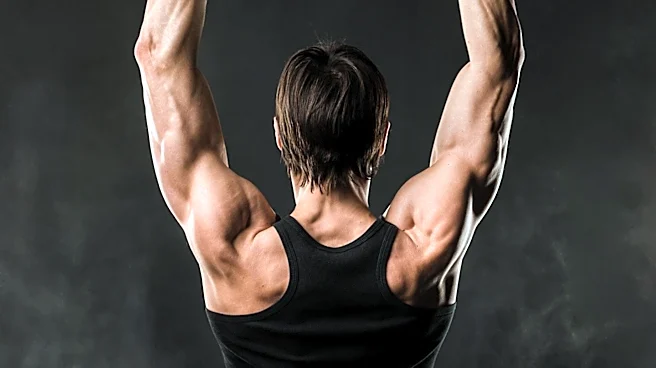
While a barbell is commonly used for the push press, the exercise can also be effectively performed with dumbbells and kettlebells. The choice of equipment can influence the stability requirements and the specific muscle activation during the lift. Regardless of the equipment, the primary muscles engaged in the push press include the deltoids (shoulders), triceps (back of the upper arm), and the muscles of the legs and core, which provide the initial drive and stabilization.
The dynamic nature of the push press, combining a powerful leg drive with an overhead press, makes it a comprehensive exercise for developing both upper body strength and explosive power. Its versatility, with options for one-handed or behind-the-neck variations, allows for tailored training to address individual needs and improve overall physical performance.