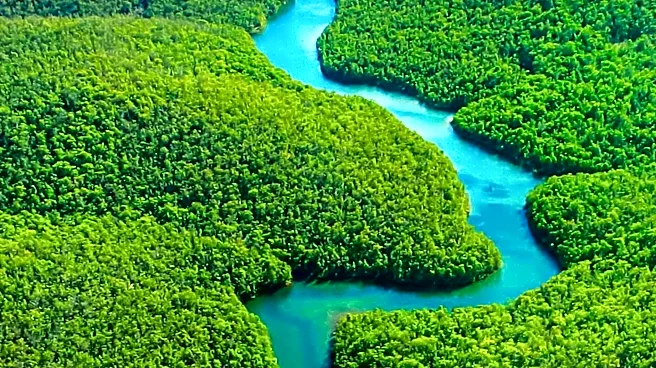






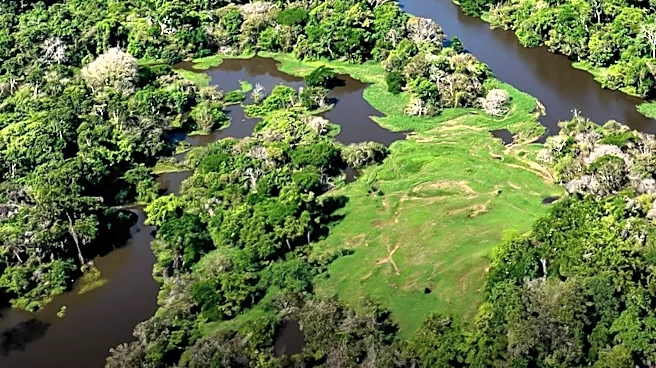

The Amazon rainforest, a colossal natural wonder, is not confined within the borders of a single country. Instead, this immense tropical forest stretches across a significant portion of South America, involving nine different nations. This shared geography underscores the international nature of the Amazon, making its preservation and management a complex, multinational endeavor. Understanding which countries host parts of this vital ecosystem is key
to appreciating its global significance and the collaborative efforts required for its future.
A Multinational Natural Heritage
The nine nations that share the Amazon rainforest are Bolivia, Brazil, Colombia, Ecuador, French Guiana (which is an overseas department of France), Guyana, Peru, Suriname, and Venezuela. This broad distribution means that the rainforest is a critical natural asset for a diverse group of countries, each with its own unique relationship to this vast ecosystem. The presence of the Amazon within their territories often influences their climate, hydrology, and biodiversity, as well as the livelihoods of their populations.Each of these nations plays a role in the overall health of the Amazon. While the rainforest is a continuous ecological zone, its management and conservation strategies can vary significantly from one country to another. This international spread highlights the need for cooperation and shared responsibility among these nations to ensure the long-term survival and ecological integrity of the Amazon, which is the largest and most species-rich tropical rainforest globally.
Uneven Distribution and National Responsibilities
While nine nations share the Amazon, the proportion of the rainforest within each country varies considerably. Brazil holds the most substantial share, encompassing a remarkable 60% of the entire Amazon rainforest. This makes Brazil the primary custodian of this global treasure and places a significant responsibility on its shoulders for conservation efforts. The sheer scale of the Amazon within Brazil means that decisions made there have a profound impact on the entire ecosystem.Following Brazil, Peru is home to 13% of the Amazon rainforest, making it the second-largest holder. Colombia accounts for 10% of the rainforest. The remaining nations—Bolivia, Ecuador, French Guiana, Guyana, Suriname, and Venezuela—each possess smaller, yet still ecologically important, portions of the Amazon. This uneven distribution means that while all nine nations are stakeholders, the scale of their individual contributions to the rainforest's overall area differs significantly. The collective effort of these nations is essential for protecting this vast and biodiverse region, which contains over half of the planet's rainforest area and a multitude of plant species like rosewood, mahogany, and ebony.