


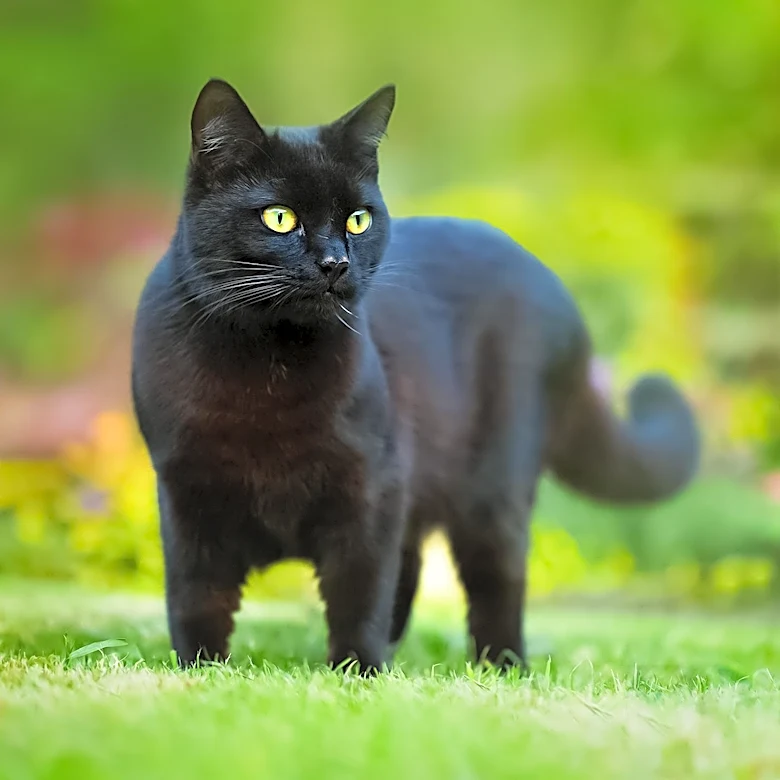



The Pixie-bob is a distinctive domestic cat breed that originated in the United States. Known for its striking resemblance to the North American bobcat, this breed combines a wild aesthetic with the temperament of a household pet. While initially rumored to have bobcat ancestry, the Pixie-bob is now recognized as a purebred domestic cat. Its unique physical traits, including its size, fur, and facial features, contribute to its lynx-like appearance,
making it a fascinating subject for cat enthusiasts.
Distinctive Physical Traits
The Pixie-bob is characterized as a medium to large-sized cat with a robust build. Its body is powerful and muscular, often described as long with prominent shoulders. When in motion, the Pixie-bob exhibits a rolling gait, similar to that of its wild counterparts. A desirable trait for the breed is the presence of a primordial pouch, a small sag of skin on the belly. The legs are long, thick-boned, and well-muscled, ending in large, wide, almost round feet, which further enhance its wild cat resemblance. Some Pixie-bobs display polydactyly, meaning they have extra toes, a characteristic recognized by organizations like LOOF and TICA, with a limit of seven toes per paw.The head of a Pixie-bob is also quite characteristic, shaped like a large, inverted pear. In profile, the forehead is domed, and the nose is slightly Roman. The muzzle is fleshy, broad, and strong, considered an important aspect of the breed's appearance in competitions. The eyes are set wide apart and have a unique softened rectangular-triangle shape, sometimes appearing heavy-lidded. They are often surrounded by a light line of "makeup" and a black line at the corners, which elongates the gaze. Eye colors can range from golden to hazel to green.
Coat and Coloration
The fur of the Pixie-bob can be either short or medium-long. Short-haired Pixie-bobs have soft, woolly fur, and a mouse-gray undercoat is considered essential. For medium-long haired individuals, the fur length should not exceed two inches. Seasonal variations in coat density are observed. The most common coat color is brown, though other color variations can occur. However, for exhibition purposes, the only recognized color is the brown spotted tabby, often with ticking.Another defining feature is the tail, which is typically short. The length can vary, with a minimum of about two inches and not extending beyond the animal's hock according to LOOF standards, or a maximum of two centimeters longer according to TICA standards. The length of the caudal bone is the reference point, and bone irregularities are accepted. The overall impression created by these physical attributes is that of a miniature bobcat, making the Pixie-bob a truly unique and visually striking domestic breed.